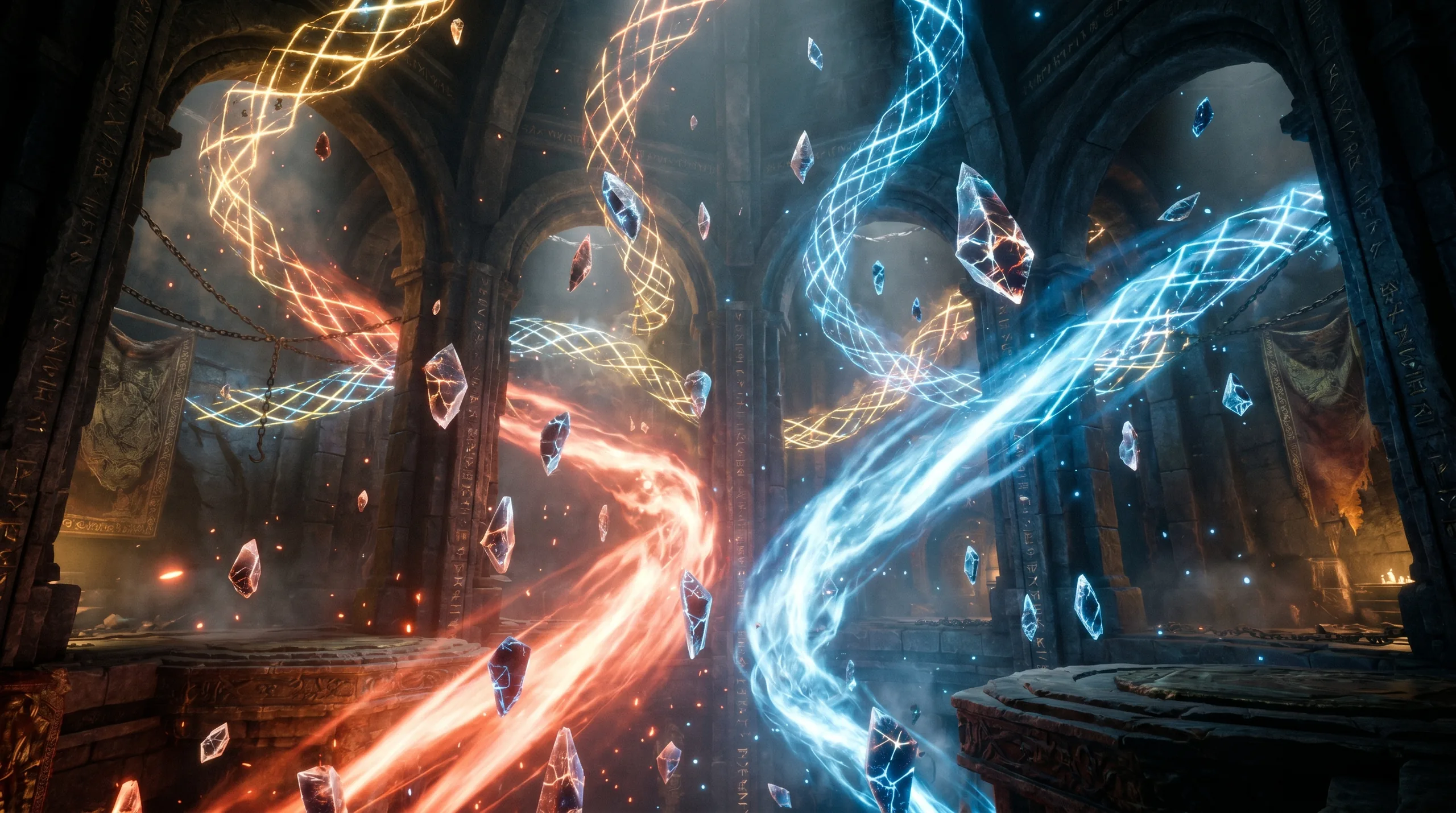
The peoples of Kworgale do not call their magic magic. They call it thaumaturgy, and they treat it less as a wild gift than as a craft, a science, and an inheritance — for the gods who taught it left behind not spells but systems, and a sorcerer is as much an engineer as a mystic.
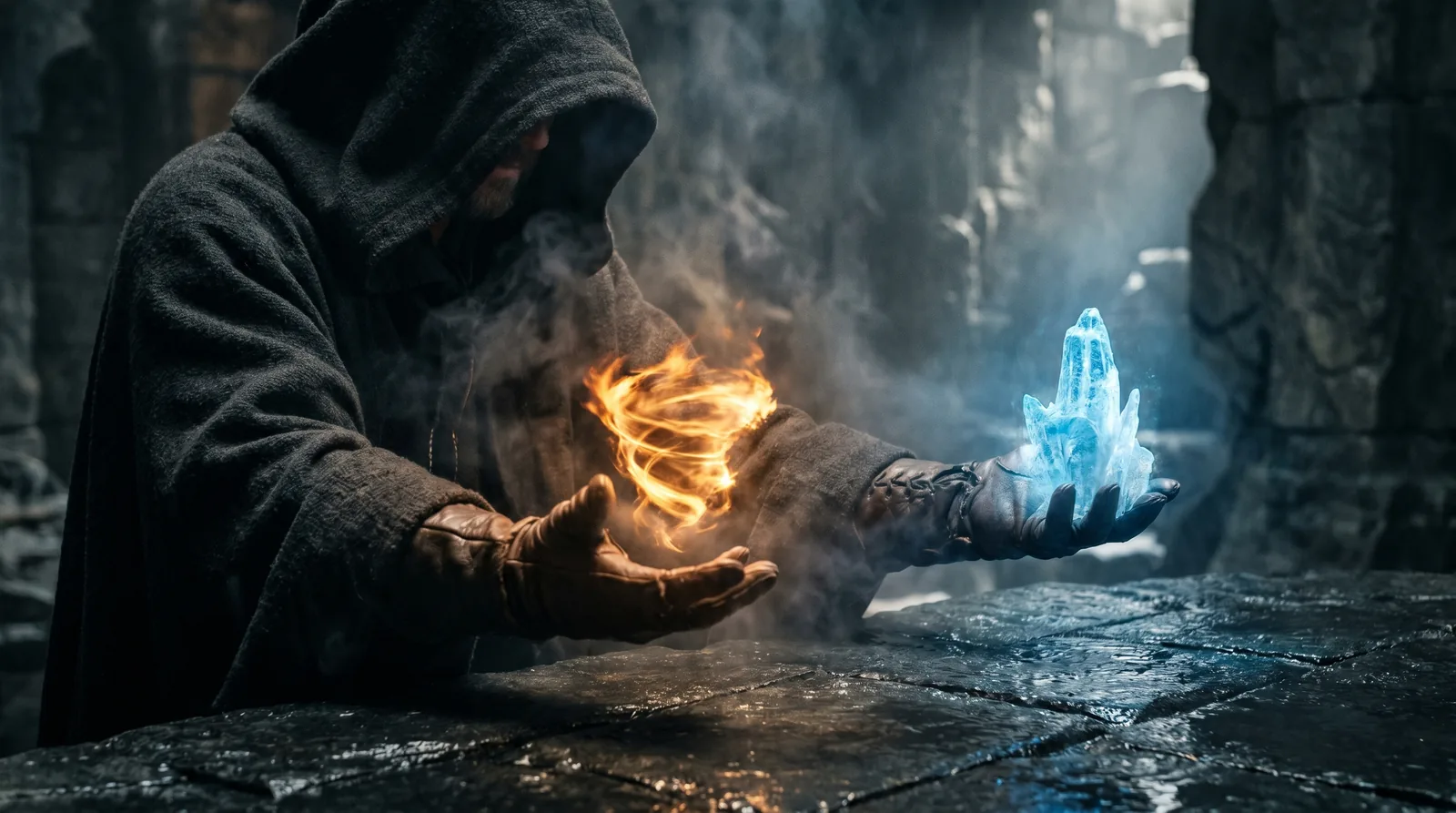
At the root of all sorcery is thymara — the externalized substance of sapient mind: knowledge, experience, understanding, and wisdom made into a real and usable force. It is not mere raw power to be burned. It is closer to the distilled meaning of a thinking life, and where it gathers thickly, it changes those who hold it. The greatest sorcerers carry so much of it that it warms their very flesh — which is why the fire-blooded mages of the south go robed in so little, and never seem to feel the heat.
Most sorcery in Kworgale runs along one of two great elemental tempers. Fire is the magic of energy and change — passion, force, growth, and destruction. Ice is the magic of structure and permanence — patience, preservation, craft, and engineering. They are the mortal echo of the two Great Spirits, and a thaumaturge is most often born attuned to one or the other, though the rarest and the elven-trained can learn to hold both in balance.
What truly sets Kworgalese sorcery apart are the schemata — the great inherited patterns that bind thymara into lasting structures of power. Each was founded by one of the Elder gods, and each encodes far more than a magical effect: it encodes a whole way of belonging. The Ruby's bloodline-magic makes a family into a single shared reservoir of power; the Hammer's craft-magic pours a sorcerer's mind into tools and constructs; the Warden's memory-magic keeps the counsel of the dead within reach of the living. To learn a schema is to be bound into the kinship, the office, or the devotion it was built from.
The living traditions of these arts — the six great schemata and the practitioners who wield them — are catalogued in full in the Codex of Magic.
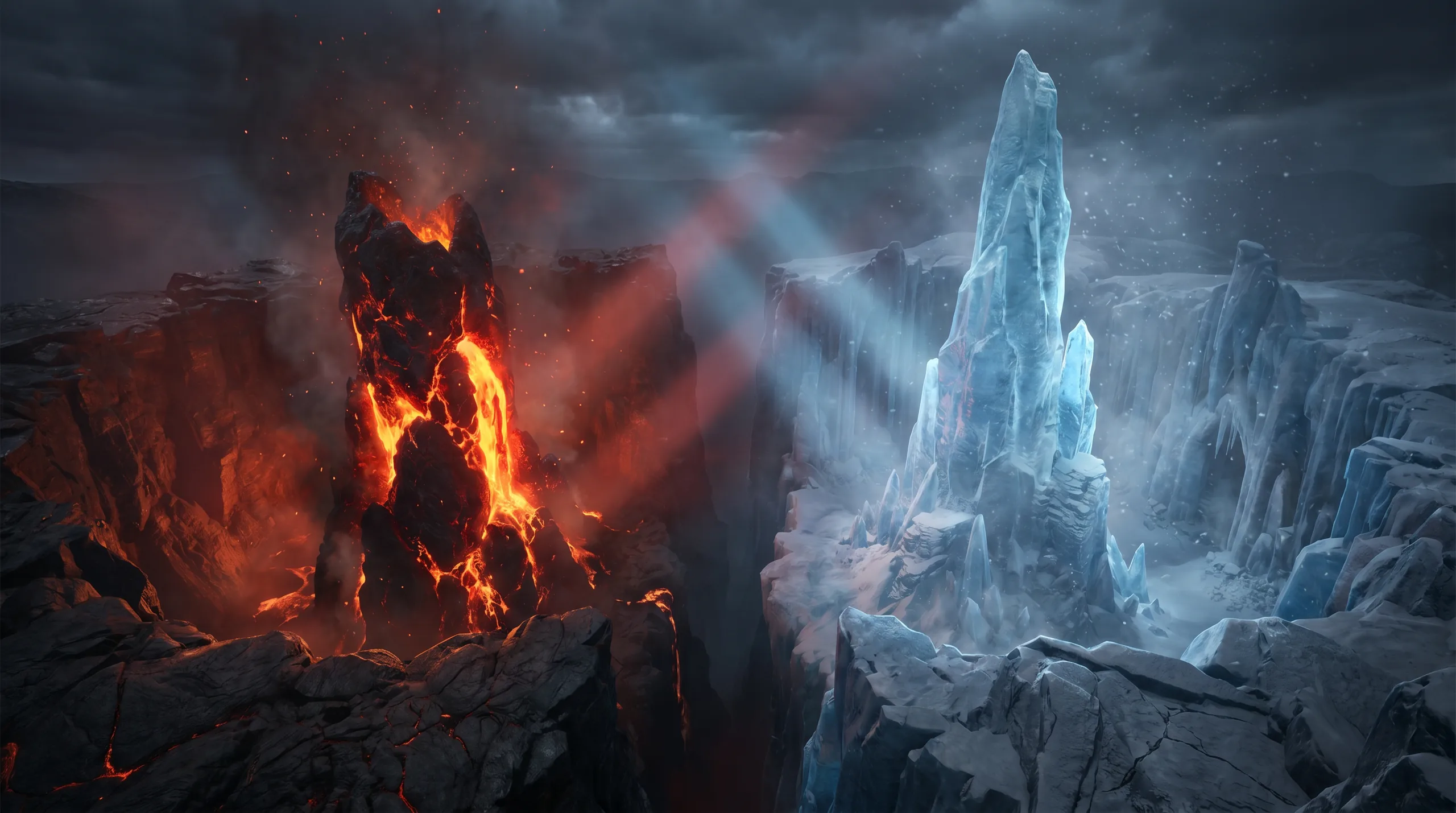 LoreThe Great Spirits of Fire and IceOlder than the gods — older, perhaps, than the world's own memory of itself — are the Great Spirits of Fire and Ice. They are not gods in the way the Elders are gods. They have…
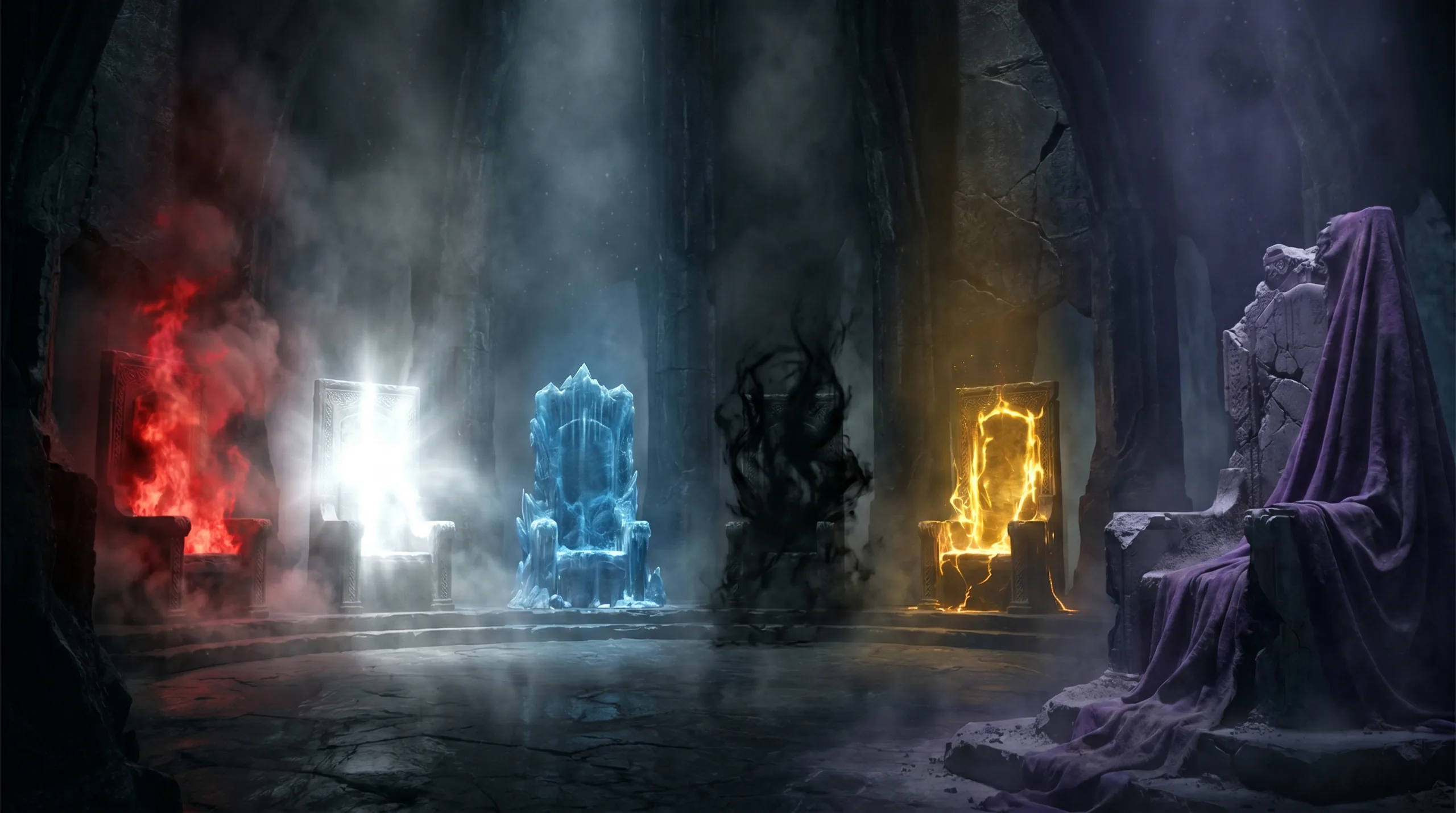 LoreThe Five Elder GodsBefore they were gods, they were exiles. The powers the world calls the Elder Elehath — the Elders — were once members of a deathless race of star-born beings who came to…
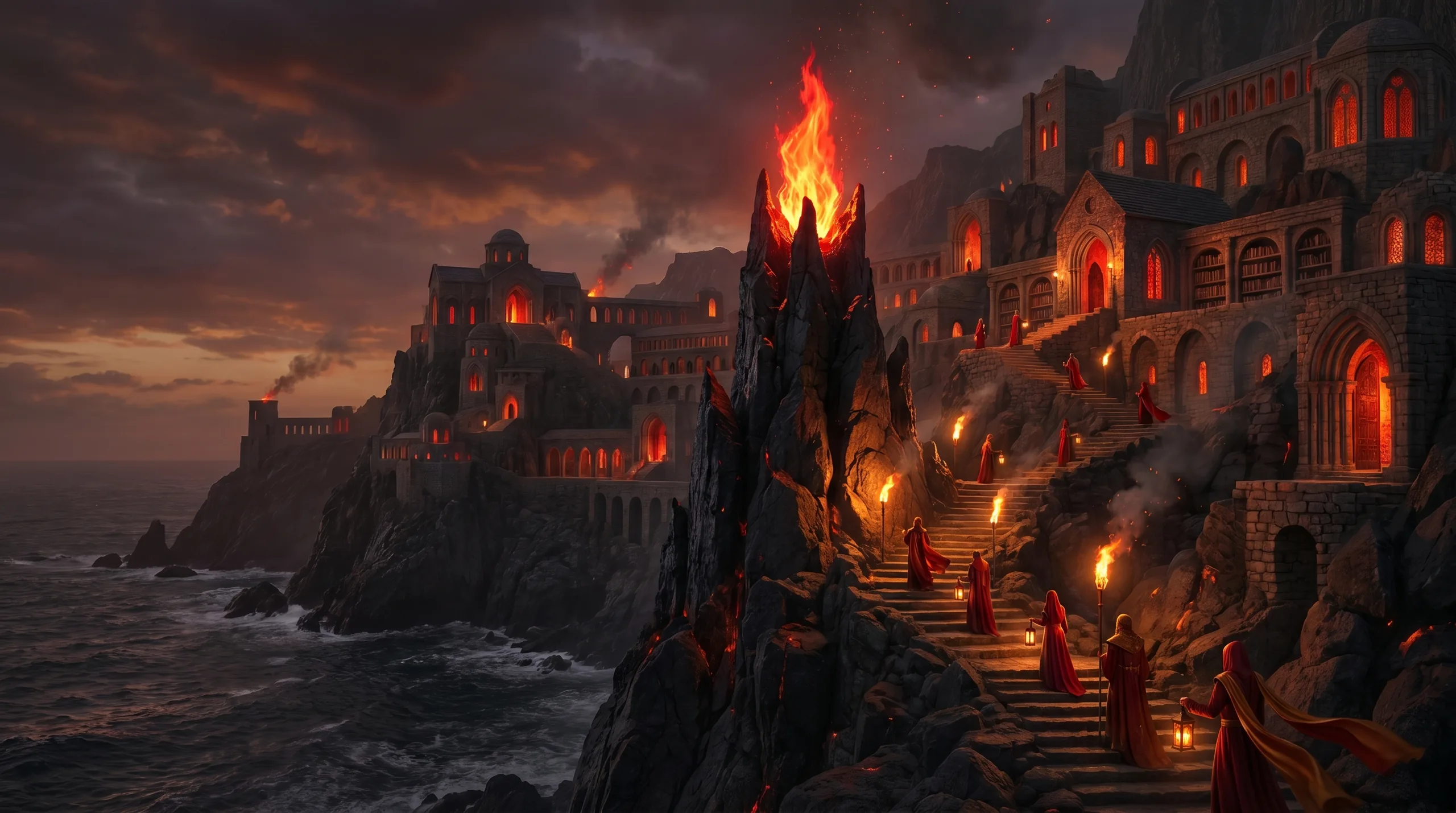 LoreThe Religion of the RubyThe Ruby is the most beloved and most feared of the gods of the human south — and of all the divine powers of Kworgale, she alone is worshipped not as a distant maker but as a…
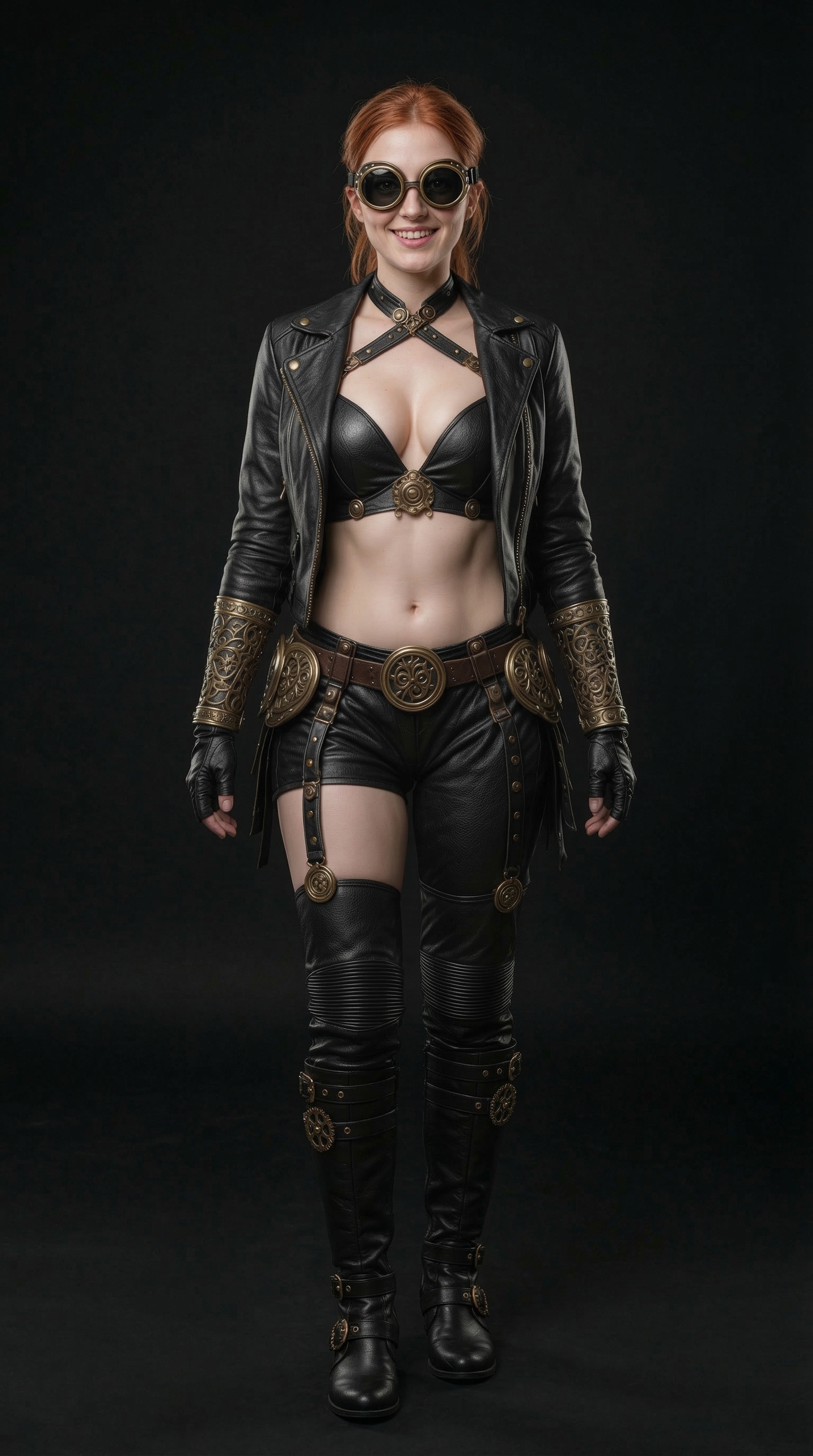 CharacterViviraA daughter of the house that rules Kabaso, born to die young and saved by a dwarf who spent his own life to do it. The fragment of a Greatson set beneath her breastbone gave…
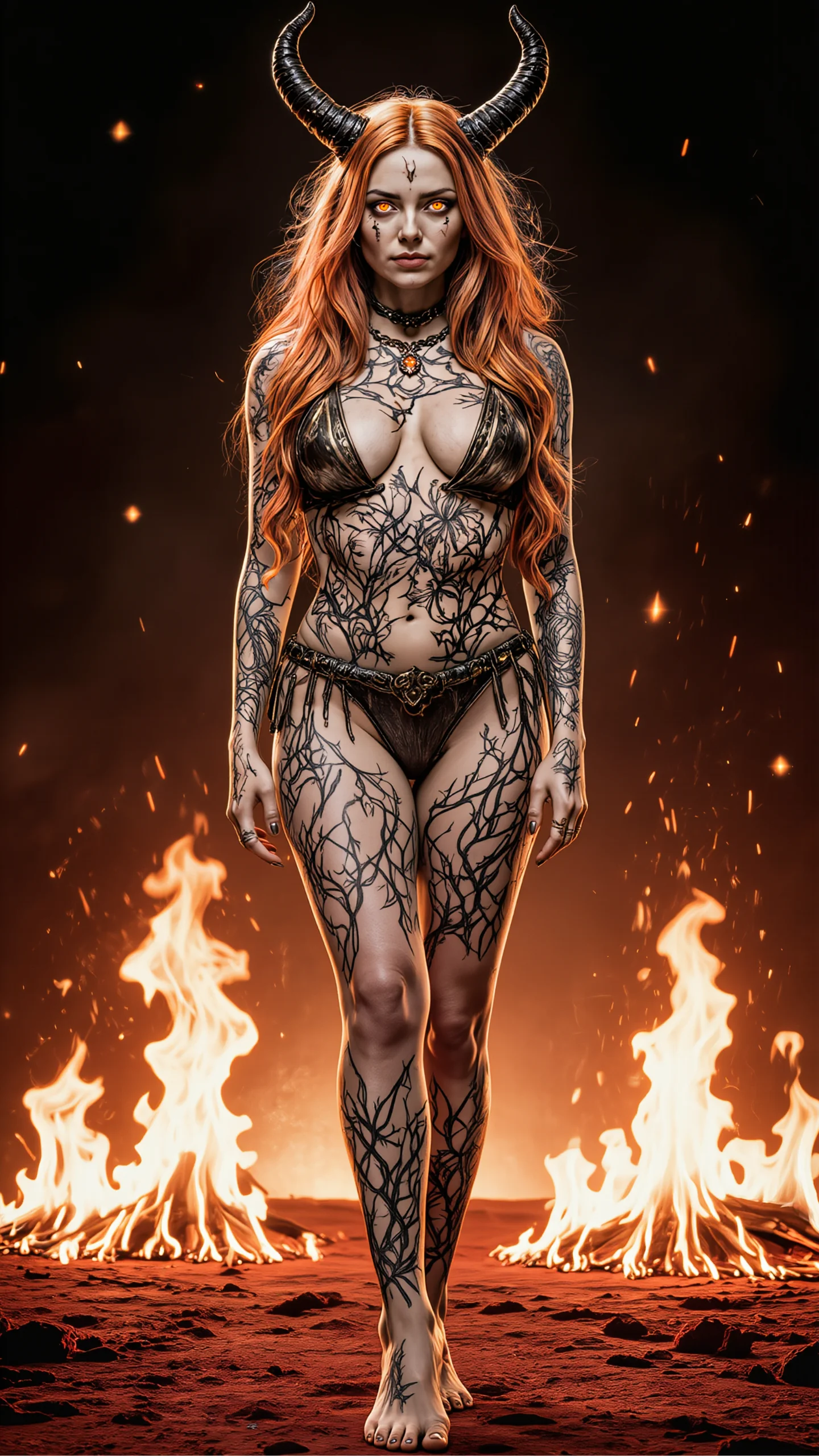 CharacterThe Great Spirit of FireOlder than the gods, older than the kingdoms and the kings who pray to them, the Great Spirit of Fire is no mere deity — she is fire itself, given will and shape. She is the…
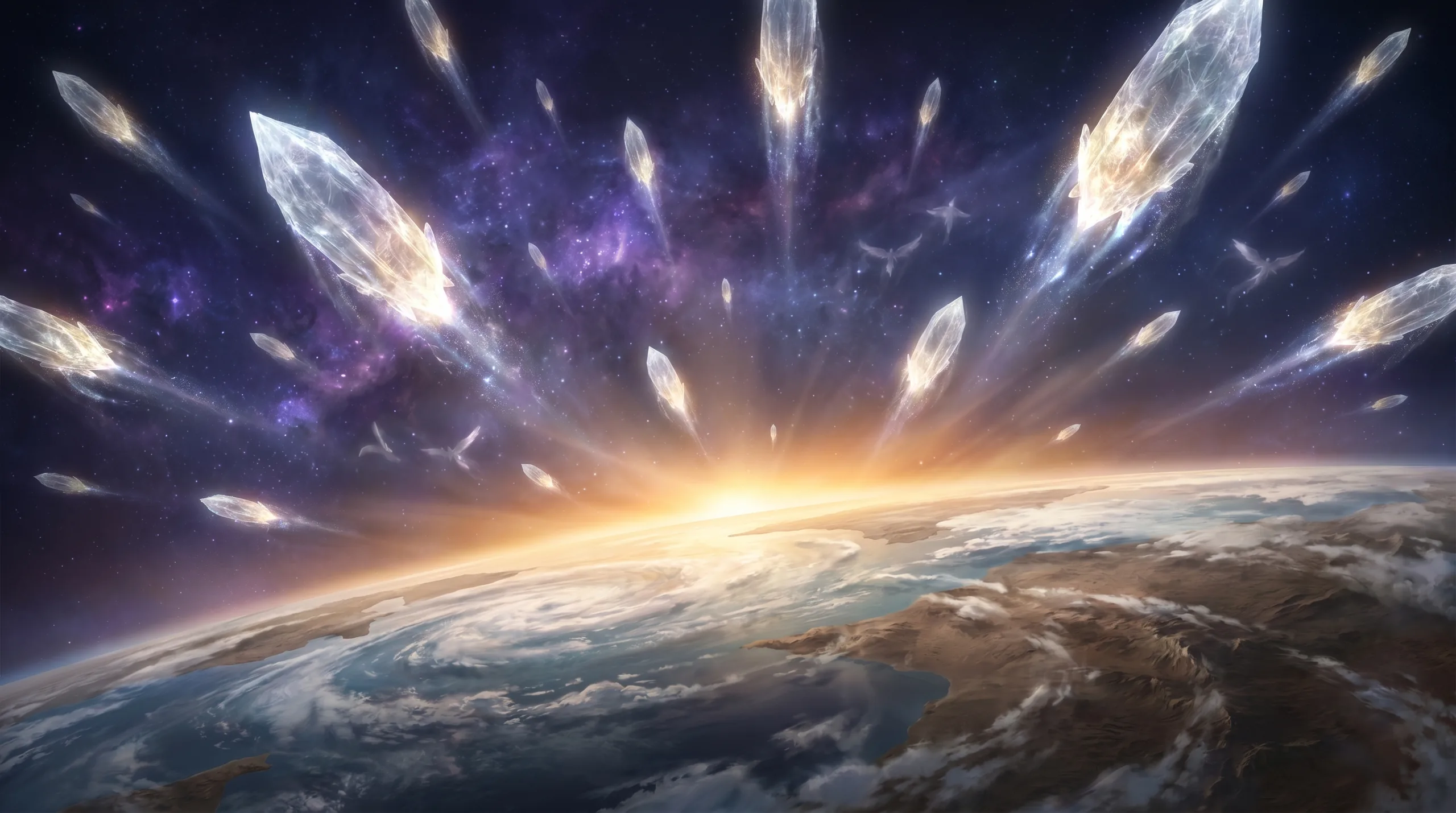 PeopleElehathThe deathless people of Elehaya, a world that destroyed itself. Some fifty thousand crossed the Veil to Kworgale in Crystal Ships; in the Great Renewal nearly all of them chose…
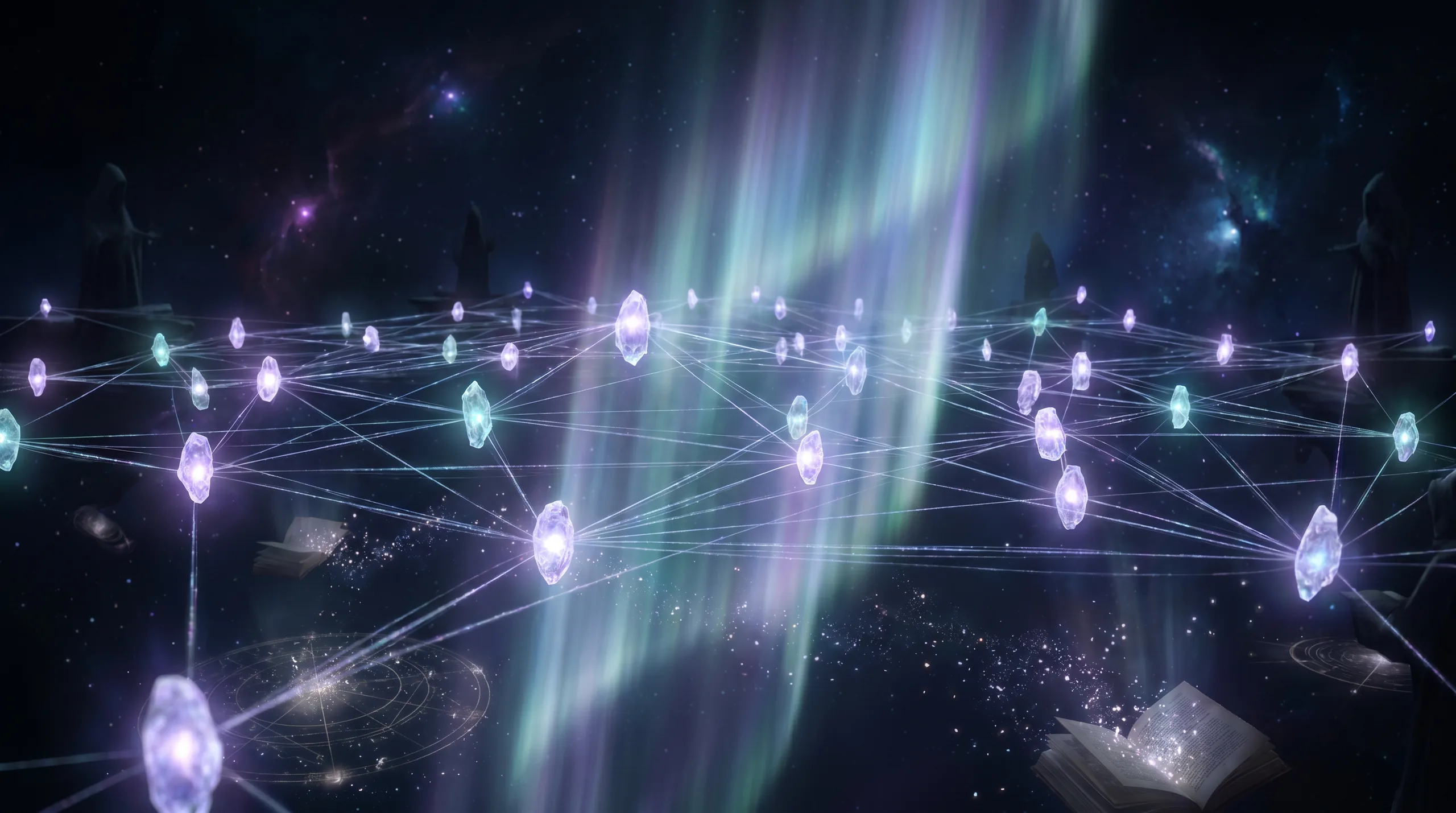 MagicSyndesia — The Open WeaveEvery other power flows one way — up to a master, into a relic, down a bloodline. This one flows between equals. A scholar weaves her thread into the open lattice of shared…