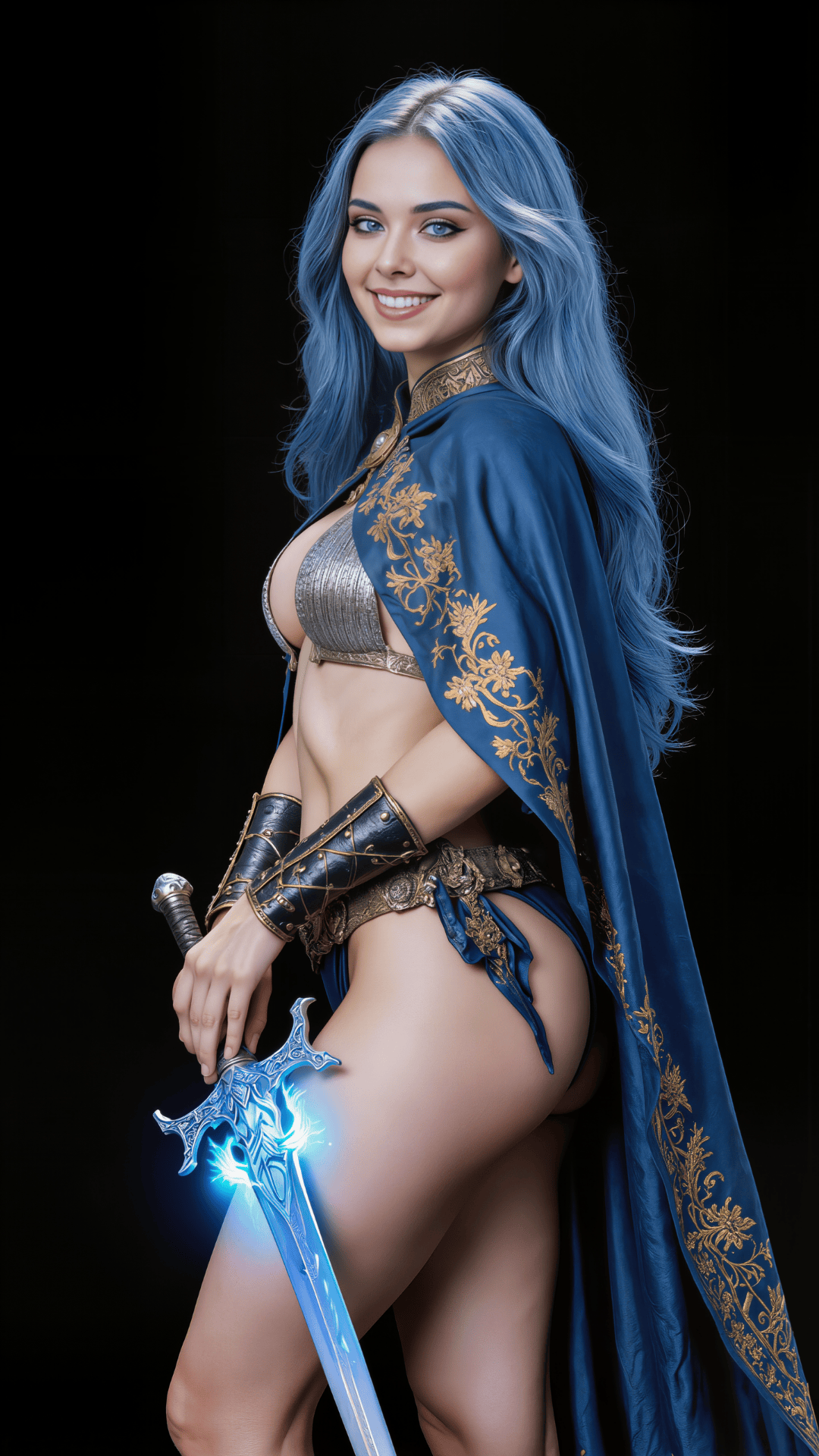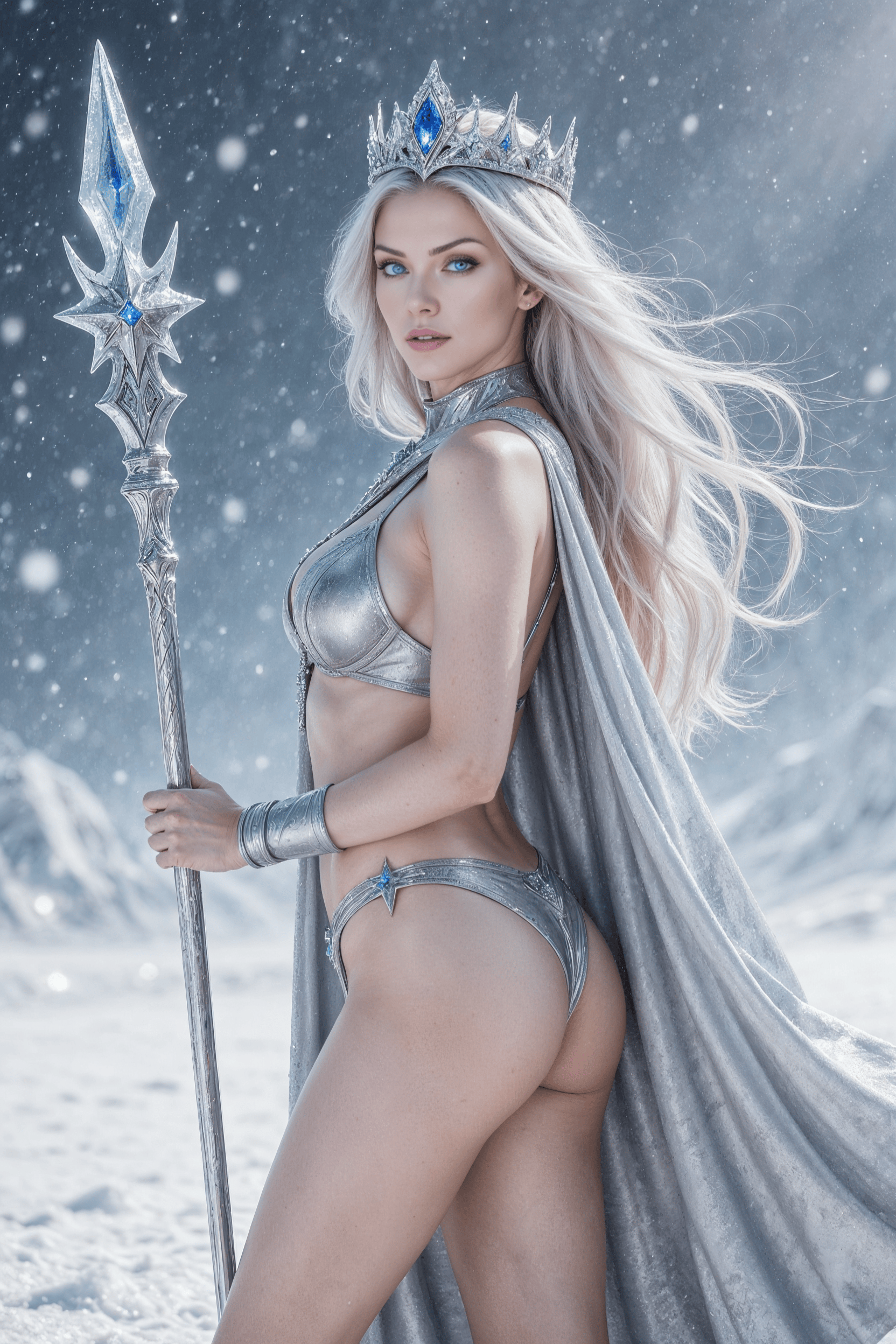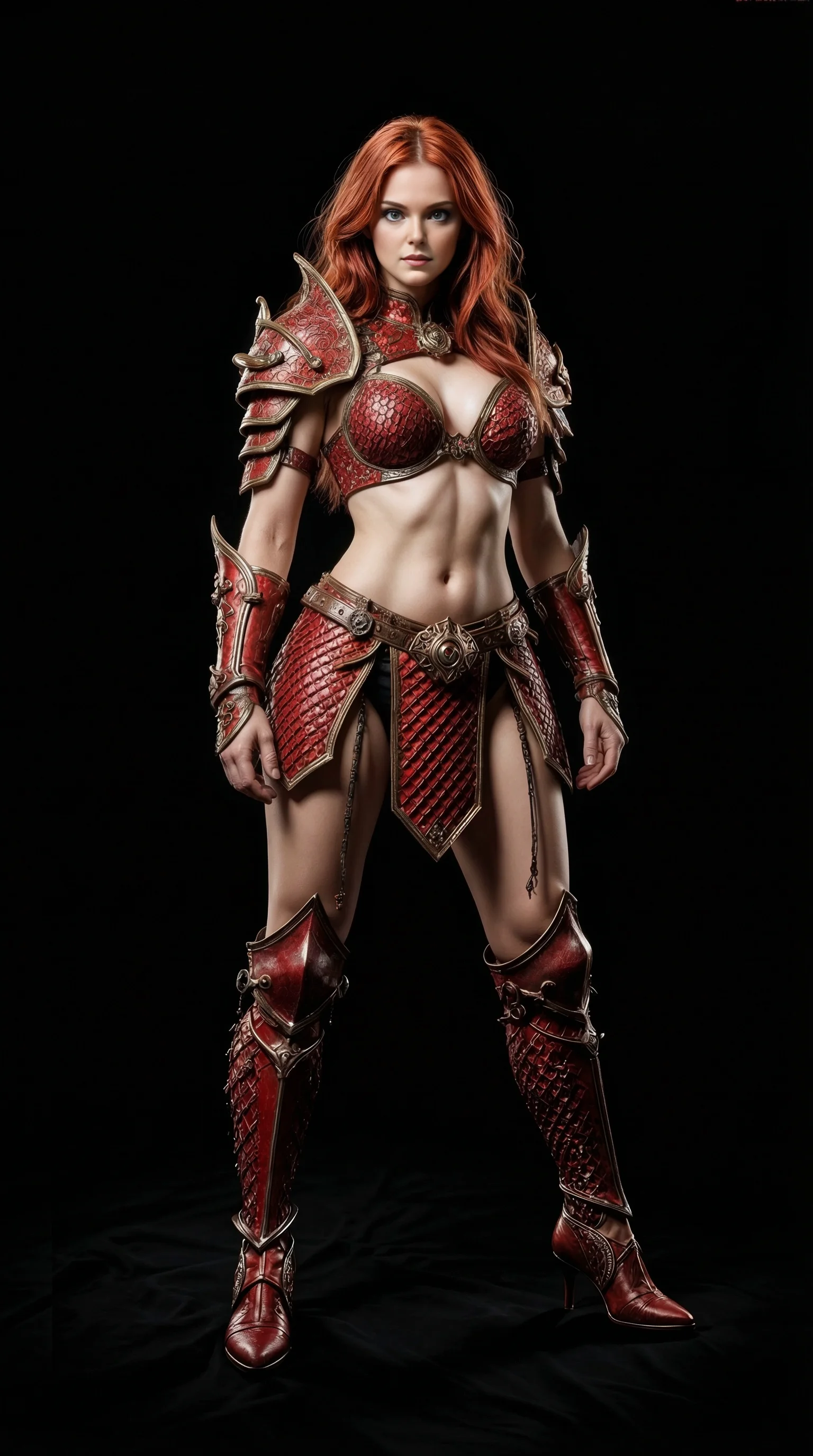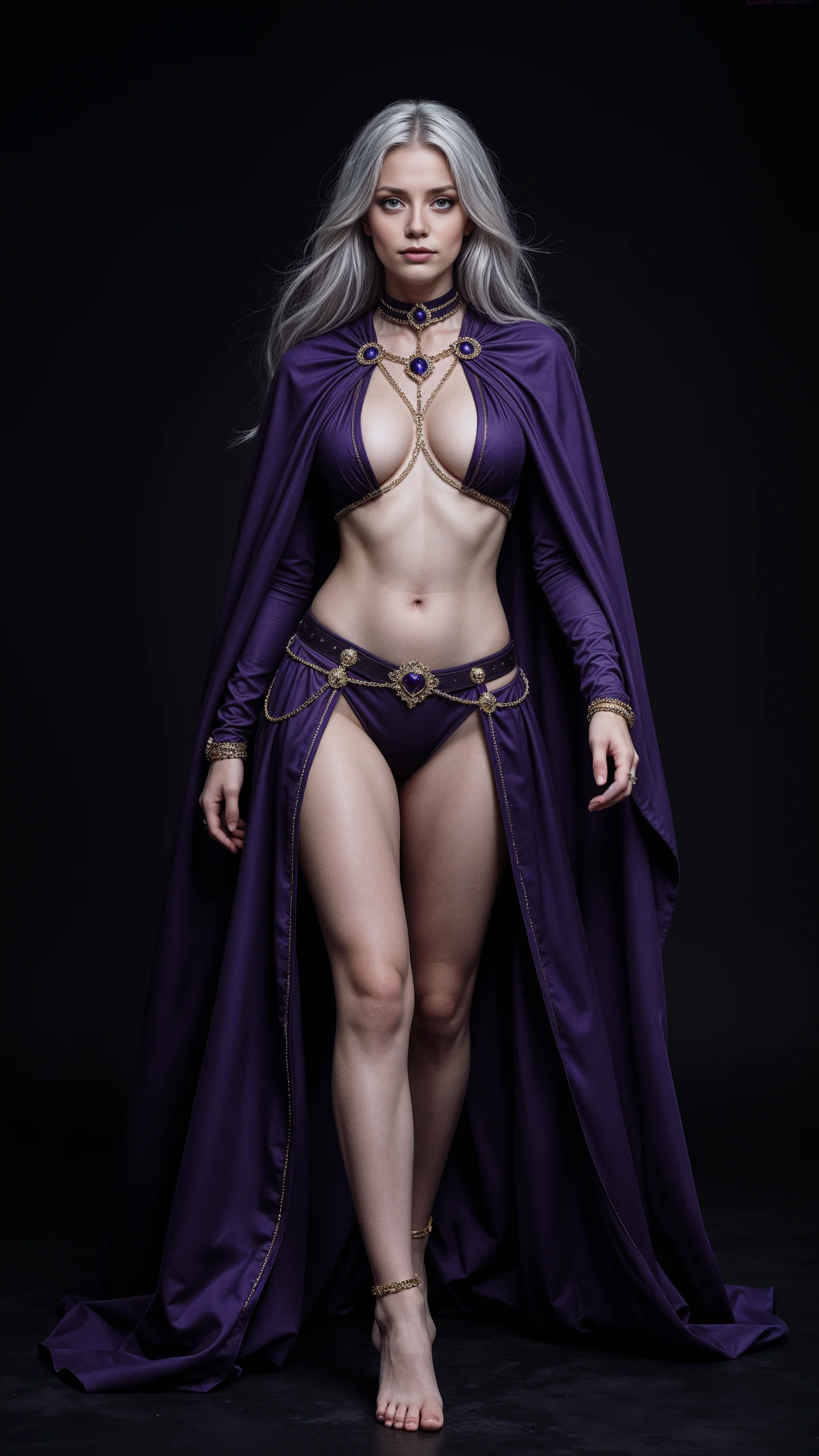
In an age of gods and dragons and ancient devils, Vivira is something rarer and, to the powers that rule the world, far more frightening: a maker whose making costs nothing and owns nobody. She is an artificer, the finest of her generation, and her heresy is simple. Death, she holds, is a circumstance rather than a verdict — and a person who wishes to continue ought to be permitted to.
"To breathe life into metal is not to play god — it is to remember that even gods were forged."
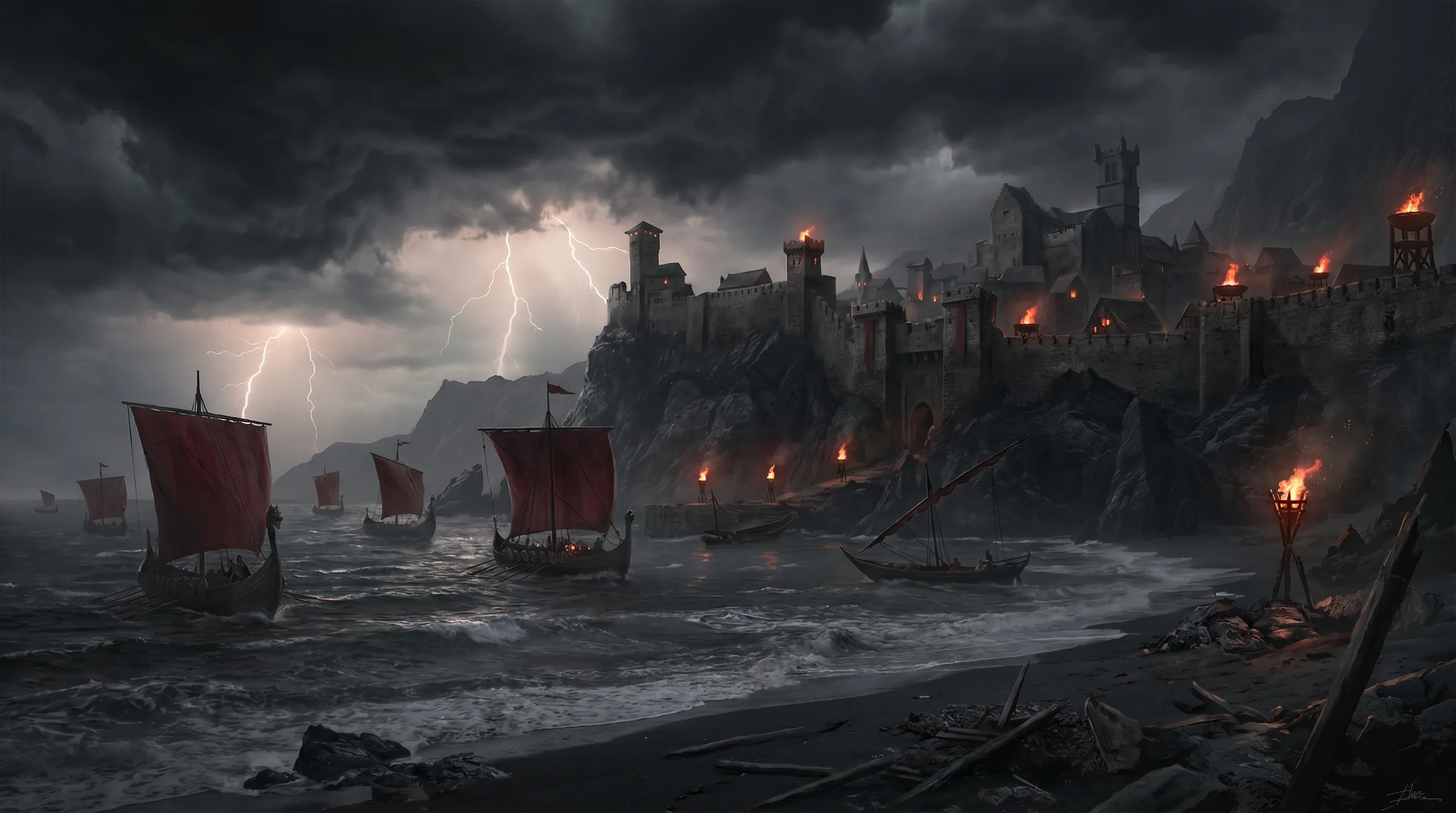
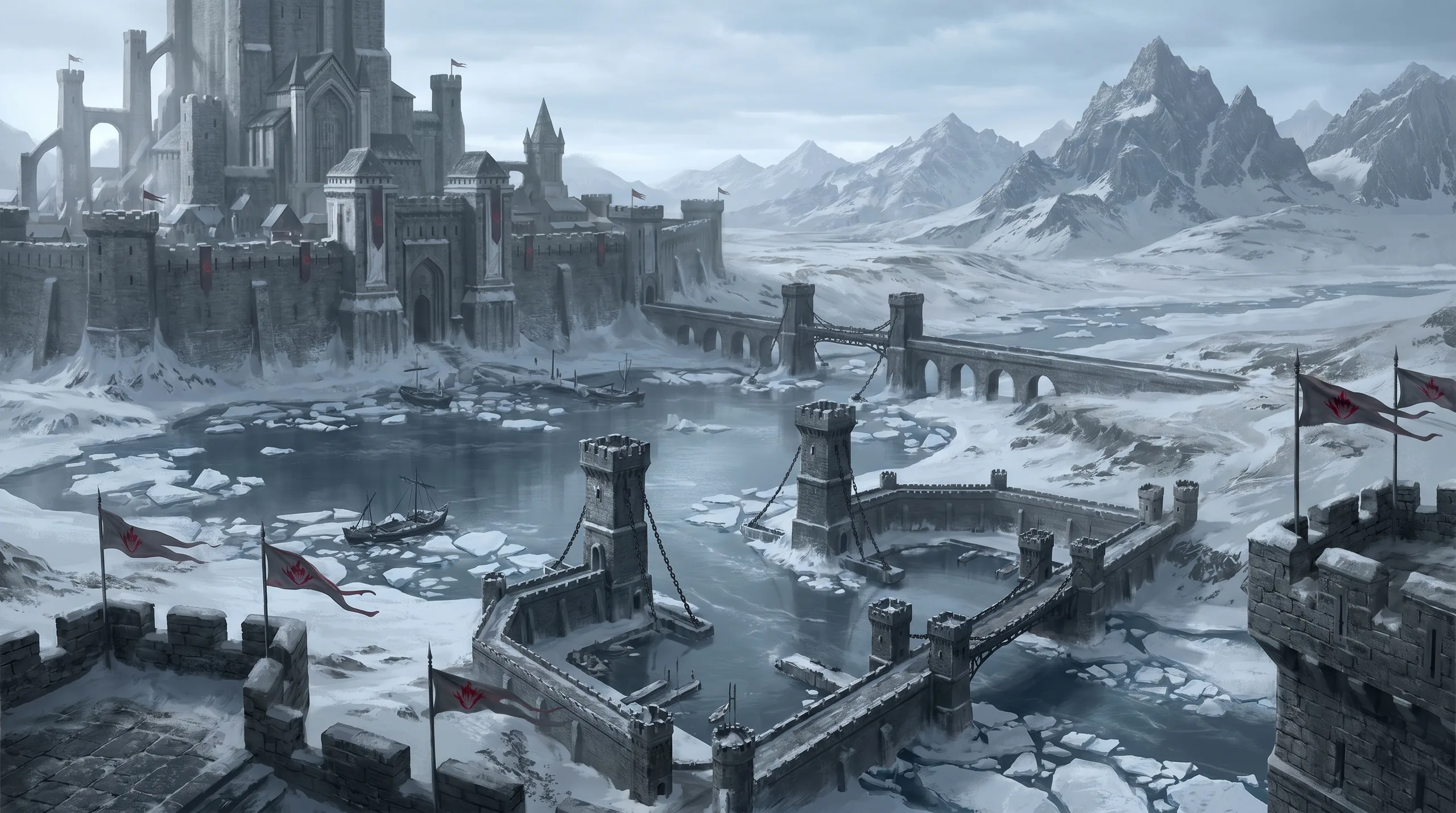
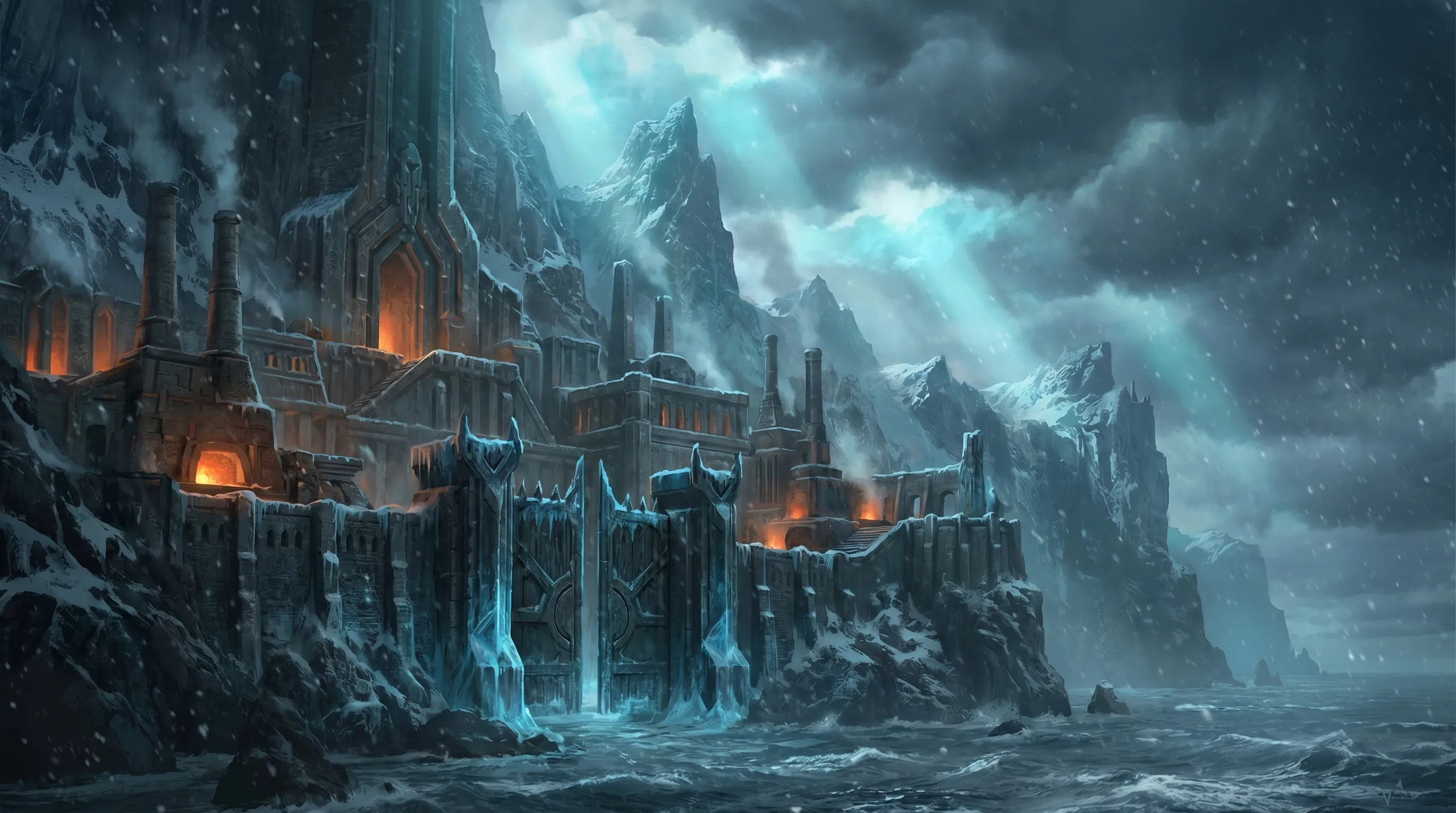
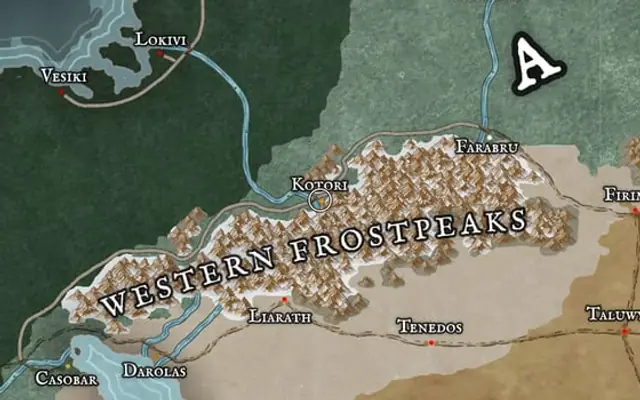
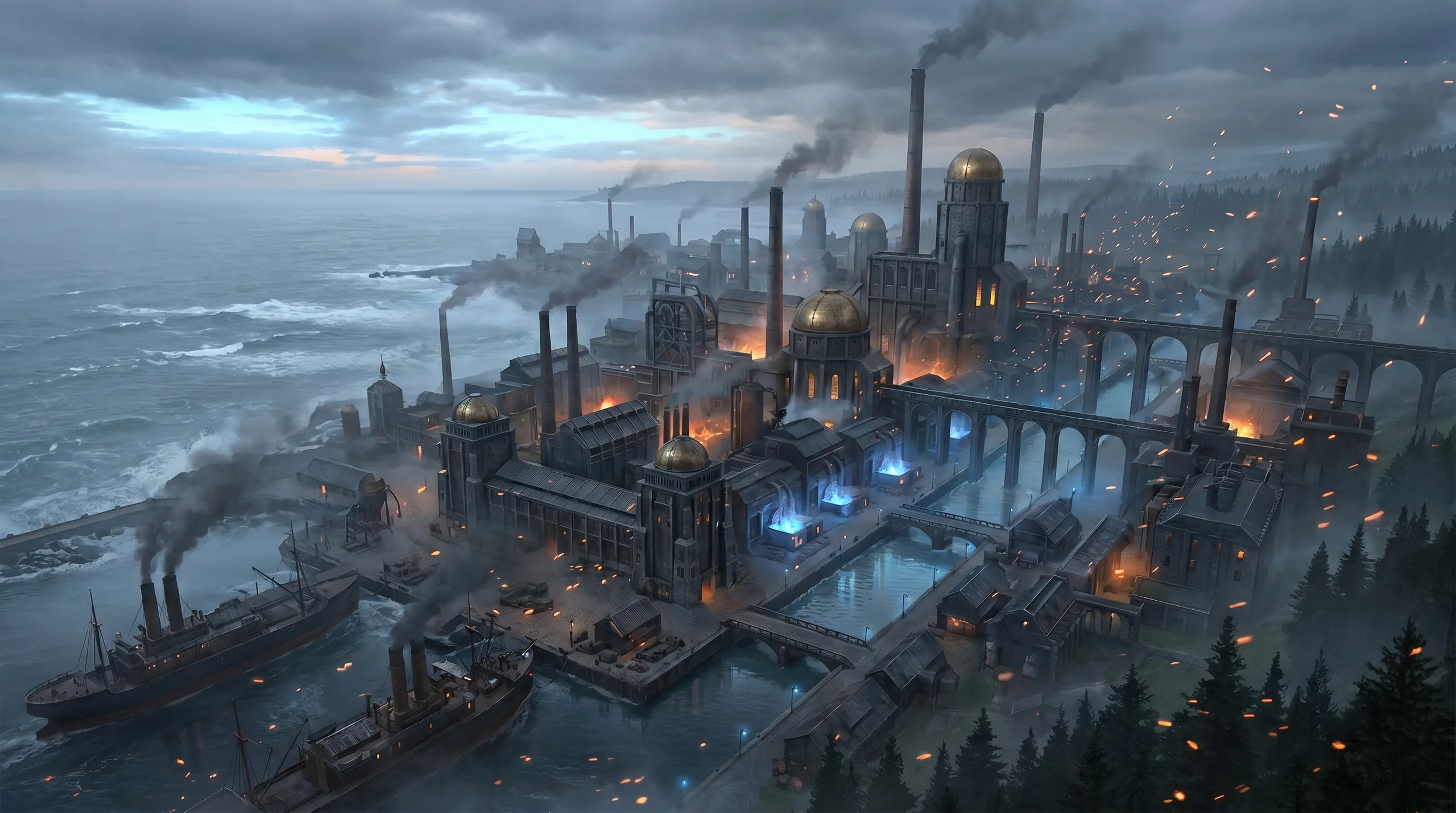
She is a daughter of Kabaso, the northern city and the faction that carries its name, and she was raised as much in Keberun — Kabaso's ally and the youngest, most daring city of the northwest, a metallurgical metropolis of steel and stone washed in the blue light of a thousand forges. Where older cities bow to gods older than their walls, Keberun bows to the furnace: universities and secret guilds, seafarers and machinists and ambitious traders, unafraid to defy gods and kings alike.
Kabaso's rulers spent a great deal to keep Keberun friendly. They spent far more on what they hid inside it.
Vivira was born in 1311 DS into the Duzkaine, the family that rules Kabaso and the faction beneath it. She is a Dusker of the purest kind — the Lohanar and Ashanar strains braided together, auburn hair, pale skin, grey eyes. In most mouths the word is a description. In the mouths of Kabaso's resentful nobles it is a charge: that the house has traded its sovereignty to Lohanar-majority Darolas, and that the Dusker Alliance is a polite phrase for whose hand rests on top.
Something was wrong inside her from the first breath. The house physicians did not agree on what it was and did not need to; they agreed on what it meant. She would not live to be a woman. She spent her childhood indoors and horizontal, thin as wire, listening to foundries she could not walk to.
Three generations earlier her great-grandfather had done a thing no ruler does without a reason, and he had no reason. A company of dwarves came out of the frozen north with the orthodoxy's judgment on their heads and a codex they would not surrender, and Kabaso took them in and settled them in Keberun. Which authority condemned them the holds still dispute — some say the forges of Kotori, some the deep north, some that both cast them out and neither will claim the honor.
The price is not disputed. The north does not forget a shelter given to heretics, and Kabaso paid in trade, in standing, and in the junior seat it has held in its own alliance ever since; in her parents' generation the resentment came within a hair of open fighting inside the city. Her great-grandfather got nothing out of it for as long as he lived. That was rather the point.
The exiles were led by a Greatson — one of the five hundred Himanar the Hammer shaped with his own hands during the Great Renewal, before ever a dwarf had been crafted by a dwarf. Beneath the beard and the iron, a dwarf is living crystal — an architecture of memory and inherited craft that a father spends part of himself to pass on. The Greatsons carry the first and least-diluted of it.
When the girl's decline turned final, the Greatson repaid a debt nobody had asked him to repay. He gave her the greater part of his own living crystal, set beneath her breastbone, and the giving killed him. There is no gentler way to put it: an ancient of the Hammer's own making chose to end so that a human child would not.
She woke storm-grey-eyed and alive, and she was still Vivira. Whatever else that work did, it did not put a dwarf inside her wearing her face. It left her a body kept running in part by crafted matter, a fragment of the Hammer's own handiwork beneath her ribs, and the whole inherited architecture of dwarven craft to reach for. Her eyes stay grey until she reaches. Then they go green — the vivid green of the crystal itself — and those who work beside her read that light the way sailors read weather.
The house said afterward that the illness had been sitting on her all her life and had finally got up off her. Others in Keberun said something had been left behind in her that liked to talk. She came out of that sickbed loud, theatrical and ravenous, and she has not been quiet since.
The heresy of the Keberun dwarves was never about metal. It was about persons. They held — and then proved — that a mind at the edge of death can be carried across into a crafted body, and that what wakes there is not an artifact, not an automaton, not a servant bound to its maker, but the same person, owing nothing to anyone. Loose that in the northern holds and every category the dwarven institutions rest upon stops holding still.
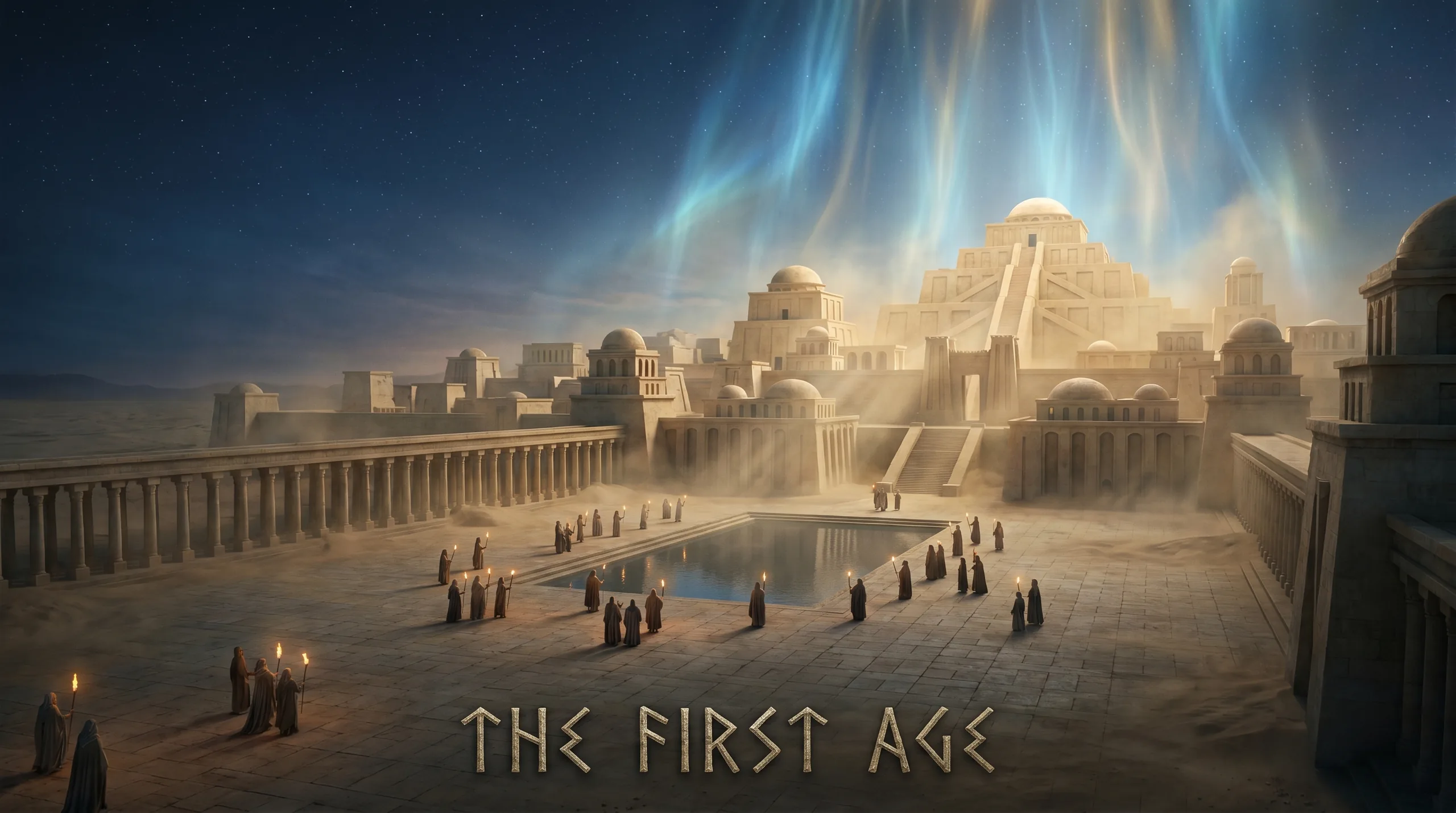
Vivira grew up in their workshops. Numina — the art the Hammer gave his sons, which stores Thymara, the essence of life, inside crafted matter — came to her the way a language comes to a child raised inside it. For two thousand years that art has been a dwarven monopoly in all but name, and not by decree: the holds keep the crystal, the ore, the guilds, and the minds that inherit a grandfather's hands along with his memories. Vivira had a piece of exactly that beneath her ribs, and no human patience for the rest.
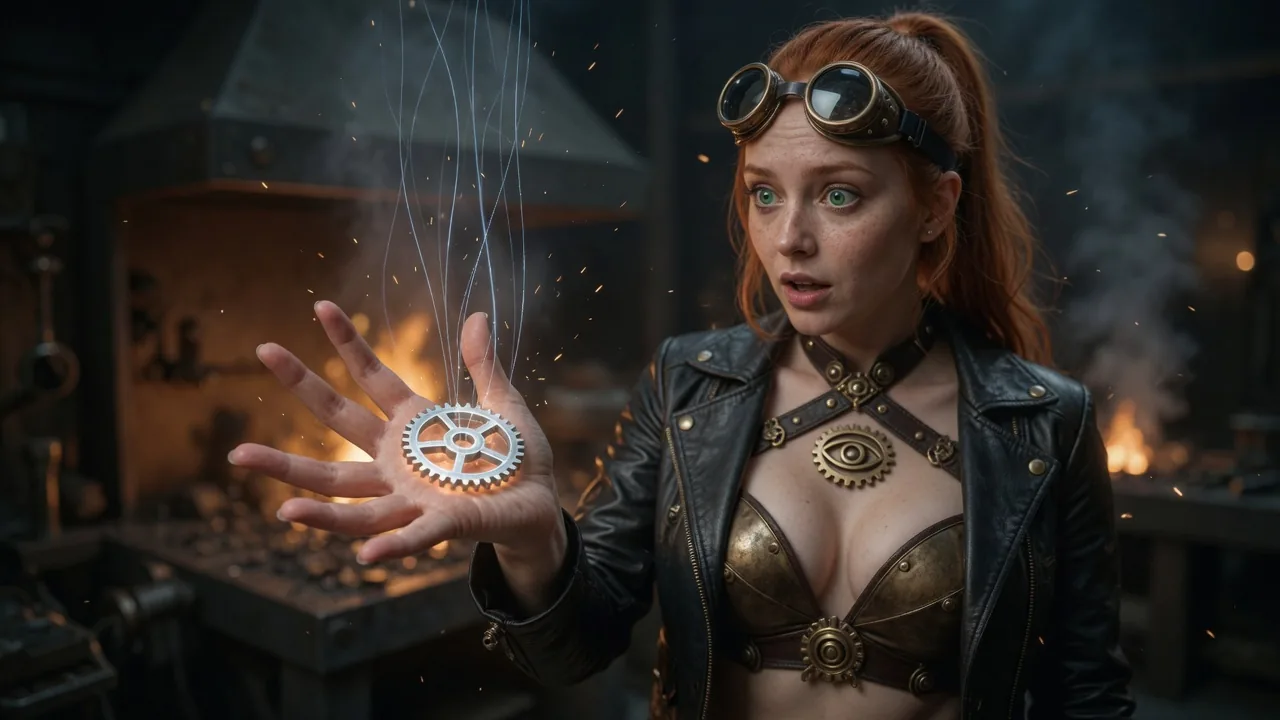
There she first handled Starsteel, the divine metal said to be wept from the eyes of the gods and buried beneath the Eternal Frost of the Glacial Dominion. It belonged to the gods, her masters told her; mortals were unworthy of the touch. Vivira felt no divinity in it at all — only potential, vibrating under her skin in time with her own pulse. That night she made her first living gear: a wheel that turned of its own will and would not stop.
Beneath the city's northern cliffs the exiles and their impossible pupil raised the Hidden Foundry of Numina — half laboratory, half temple, where the lifeless are taught to breathe.
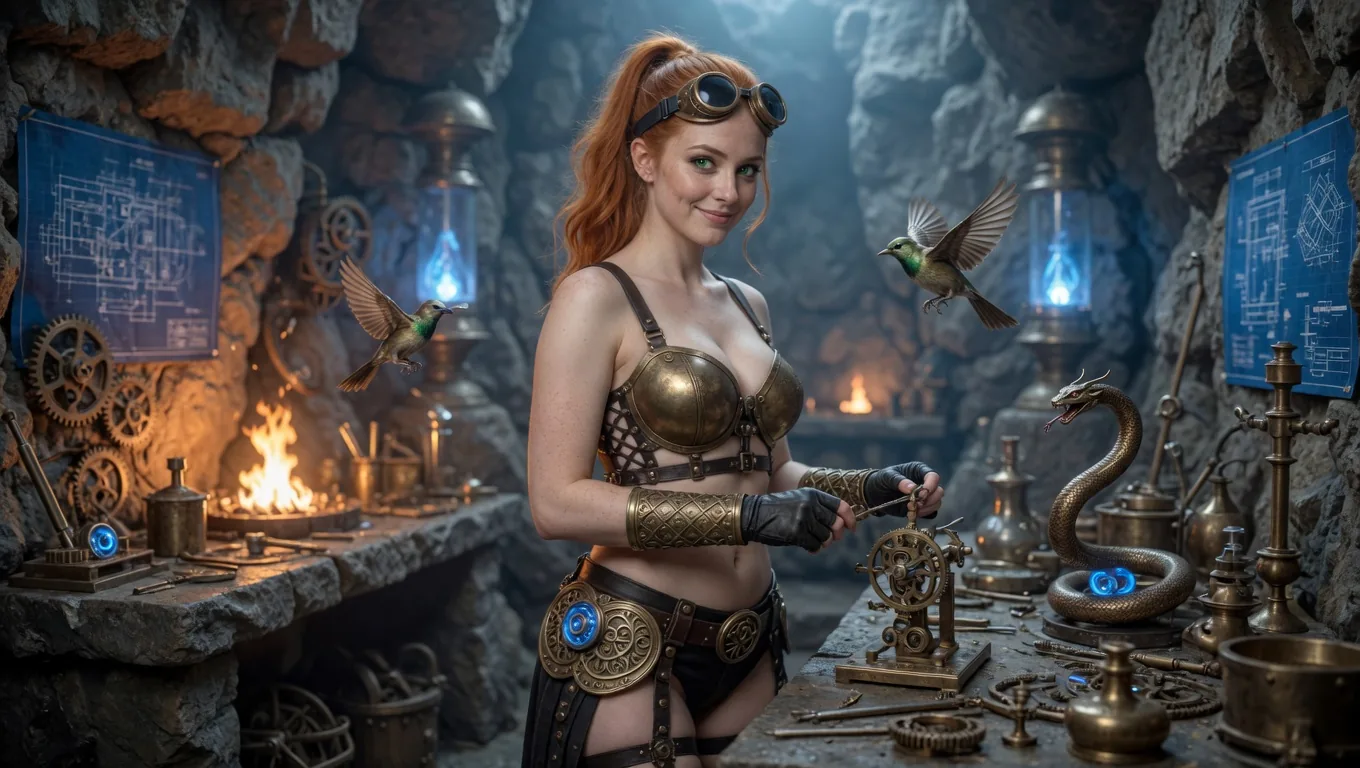
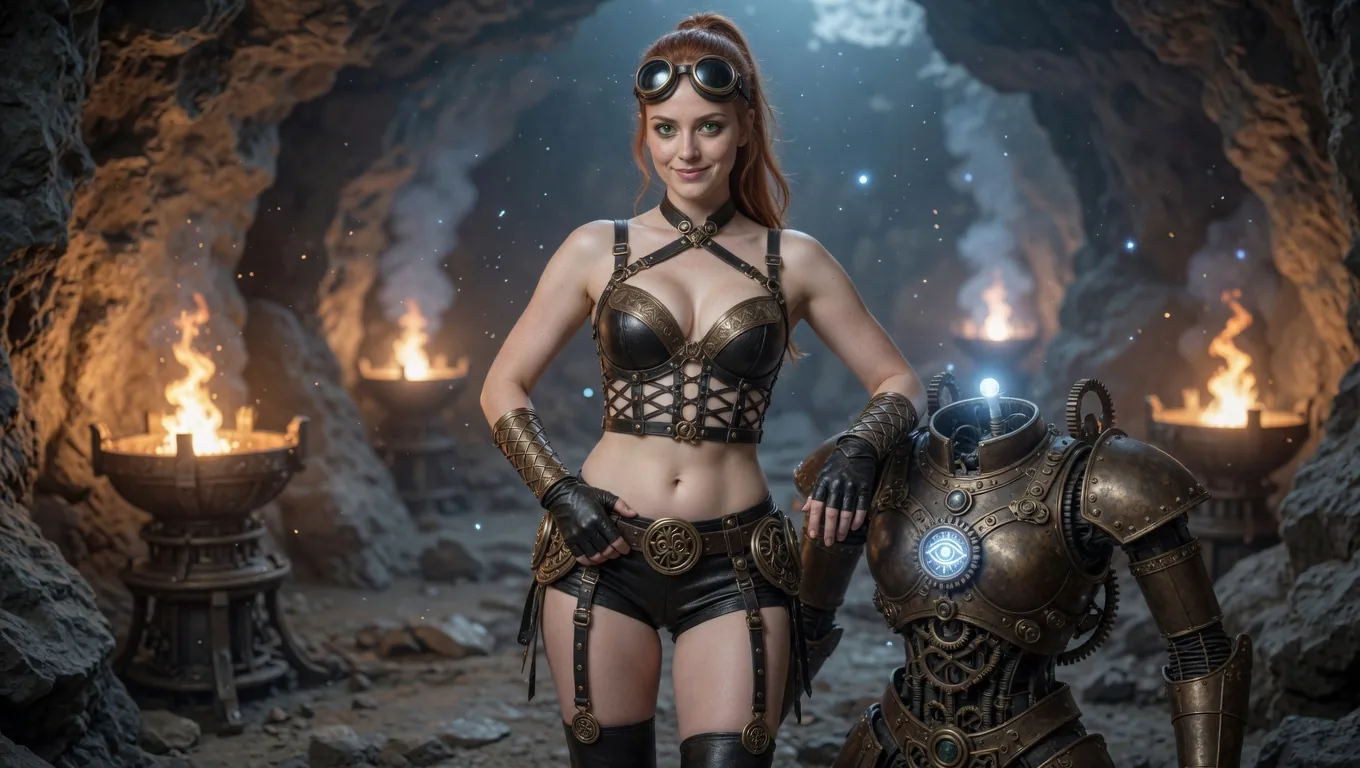
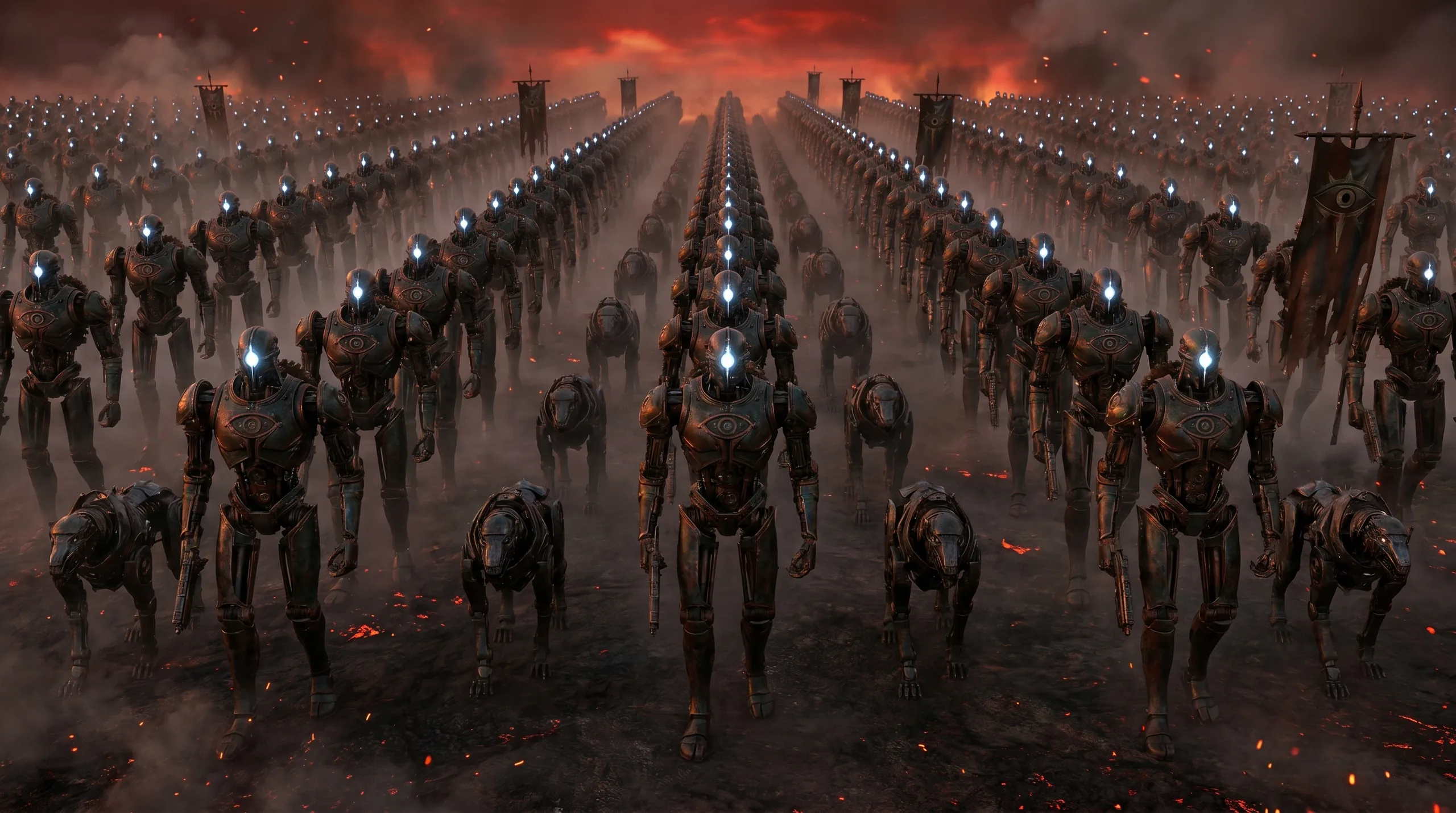
Out of that foundry came the Numinal Constructs. The earliest stand twelve feet and weigh eight tons, wrought of starsteel, and at the center of each is a rough but working analogue of the Crystal Hearts that anchor the souls of the Elehath.
What is inside is a person. Not an echo, not a bound spirit, not light poured in from somewhere else — a man or a woman who was dying, who was asked, and who said yes. Nothing is ever taken. The asking is the whole of the art; everything after it is metalwork.
They are not puppets and they are not commanded. There is no obedience written into them, no hold kept back in reserve, no word that would stop one where it stands; she has never built such a thing and cannot be argued into it. Her constructs go where they wish, and stay because they wish to.
They call her Mother. She did not ask for the title and does not correct it. She prepares the body; she is there at the moment death would otherwise have closed over them; she wakes them, she stands between them and everyone who would prefer them to be property, and she makes the world they open their new eyes into — which is, in the old sense the word carries in Kworgale, exactly what a mother is. Whether she thinks of them as her children she has never said. The name was their idea.
Each construct carries her mark on its breast, struck in dark gold: a single open eye, the sign of awareness born out of metal, the Eye of Numina. She does not put it there. They ask for it.
What limits her is not coin, and not knowledge, and certainly not scruple. It is ore.
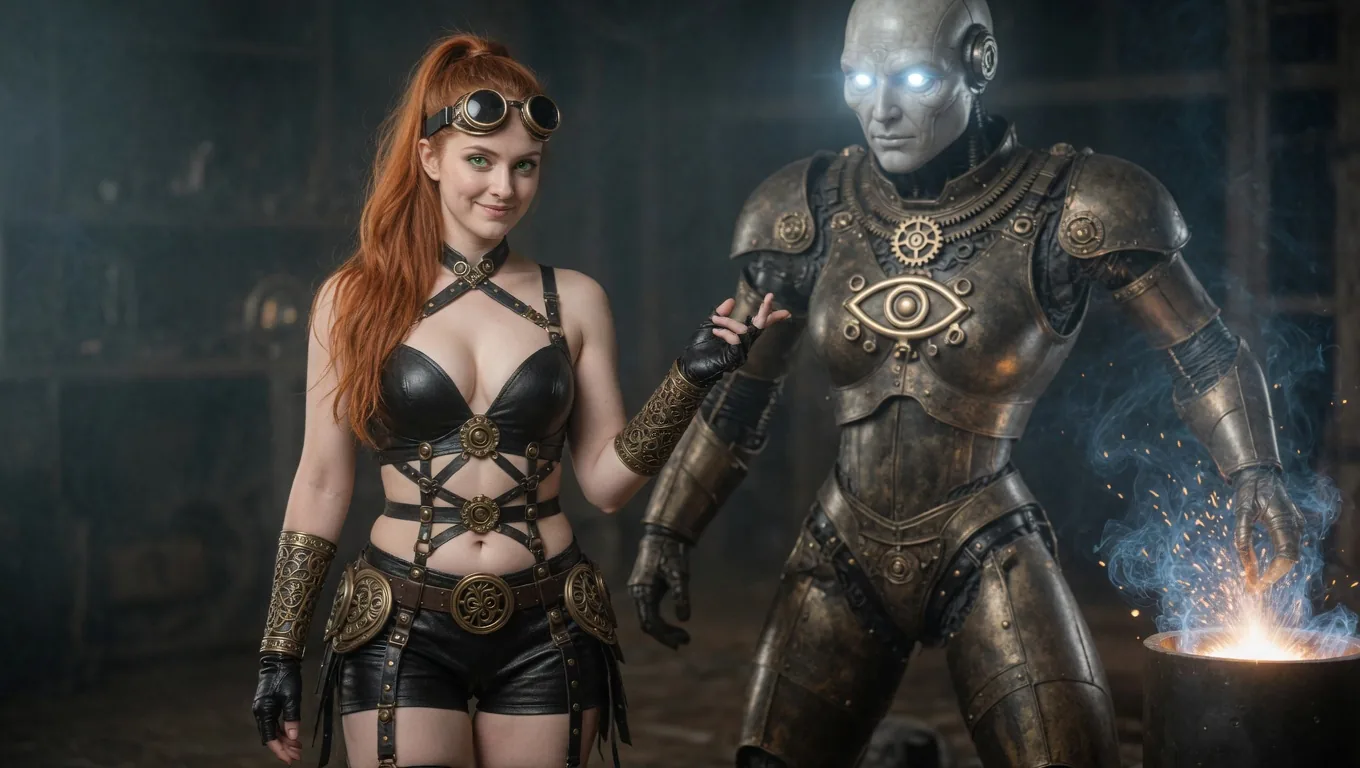
Word of the foundry travelled, and everyone who heard it wanted to own it. Guilds offered patronage with a collar sewn into the lining; kings offered protection and meant custody; the Dominion offered judgment.
Then Eisvelde fell, and Rysalia, High Commander of the Infernate, came north to Keberun herself. She has broken cities for less than what she wanted here. What she brought was an offer: rare ore in quantities no guild on the continent could match, recognition of the work as work, spectacle, novelty, adventure, and — the part that closed the bargain — an audience worthy of what she builds. No oversight. No oath. No leash.
Vivira accepted freely, and for precisely the reasons stated. It is the strangest arrangement in the High Commander's catalogue, because it began honestly and stayed that way; of all the souls Rysalia commands, the artificer may be the one she treats with open, exasperated fondness. It is also Vivira's own method turned back on her — learn what the other truly is, make an offer large enough, install nothing.
So the silent starsteel faces went south into the smoke of distant wars. They are not a purchased legion and were never sold. Every one of those twelve-foot figures is somebody who was dying, and chose the voyage.
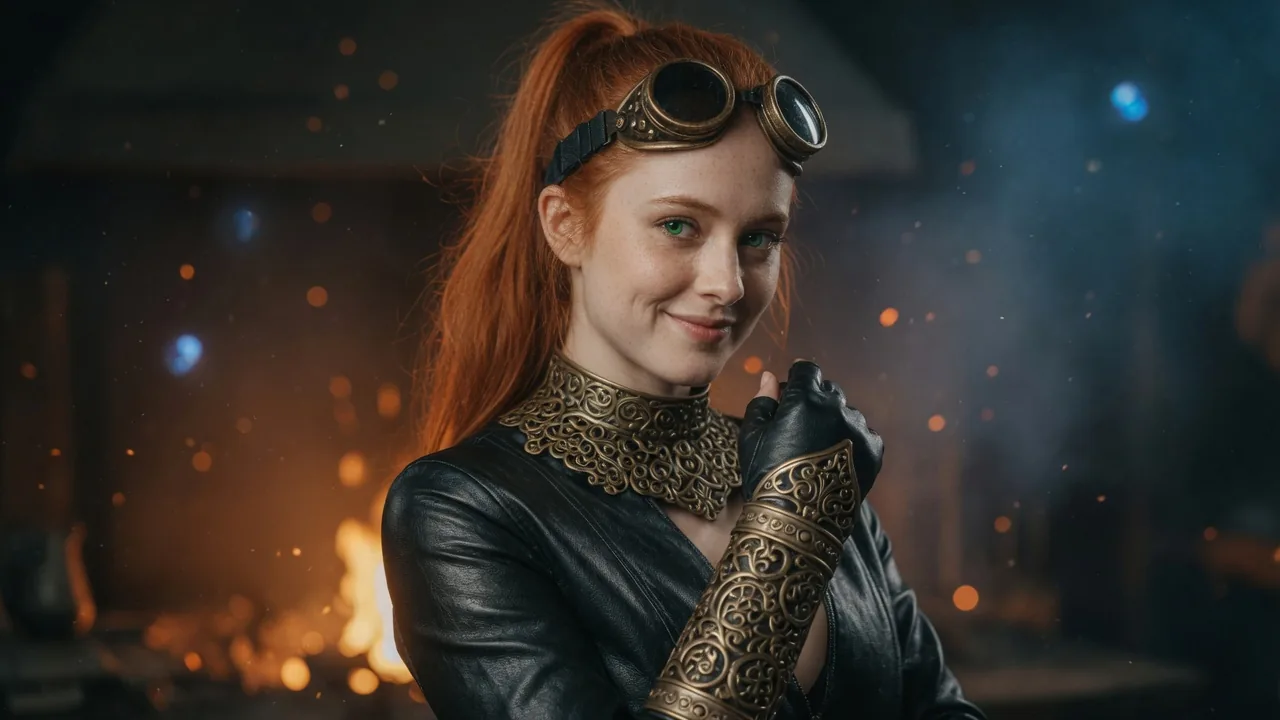
She dresses for the forge and nowhere else. Her working leathers are minimal to the point of severity — little more than a harness of straps with anchor points at shoulder and hip for whatever the day requires — and the portable toolkit at her belt is the most valuable thing she owns. Pushed up on her forehead more often than down over her eyes are her numinal goggles, green crystalline lenses in scuffed leather — the one item of apparel every artificer in the northwest can describe without having met her.
She stands a little over five feet. Her auburn hair is long and gathered into a ponytail forever coming loose; her skin is pale and lightly freckled and generally smudged with grease or soot; her eyes are storm-grey, right up until they are not.
She is exuberant, theatrical, socially fearless, and rude in the specific manner of a woman who has just seen a mechanism she does not understand and wants it opened now. A new alloy delights her the way wine delights other people, and she regards her considerable wealth as the substance that turns into ore.
She speaks with the accent of the Keberun dwarves — a rolling, nasal music no human city taught her — in phrasing precise, formal and innocent of contraction. Whether she learned it in their workshops or inherited it along with the crystal, nobody can say. She has been asked. She finds the question delightful and has never answered it.
Two worlds cannot agree on what she is. The Glacial Dominion, out of whose frost the Starsteel is dug and smuggled south, calls her the Soul-Thief of Keberun and swears the glowing cores of her creations are harvested souls. The Infernate calls her the Architect of the New Age.
The accusation is very nearly right in its facts and exactly wrong in the one place that matters. There are souls in there. Every one of them asked.
She answers to neither name and argues theology with nobody. She has one question and she asks it only of the dying: do you wish to continue? What she will not accept is the older argument beneath all of it — that a thing must not be attempted because it has never been permitted.
The holds understand her better than the priests do, which is why the holds are the frightened ones. A dwarf who wants an heir must burn away part of himself to make one, and what he makes is his son, his line and his obligation. Vivira makes persons and spends nothing; what she makes belongs to no one; and her hands are not dwarven at all.
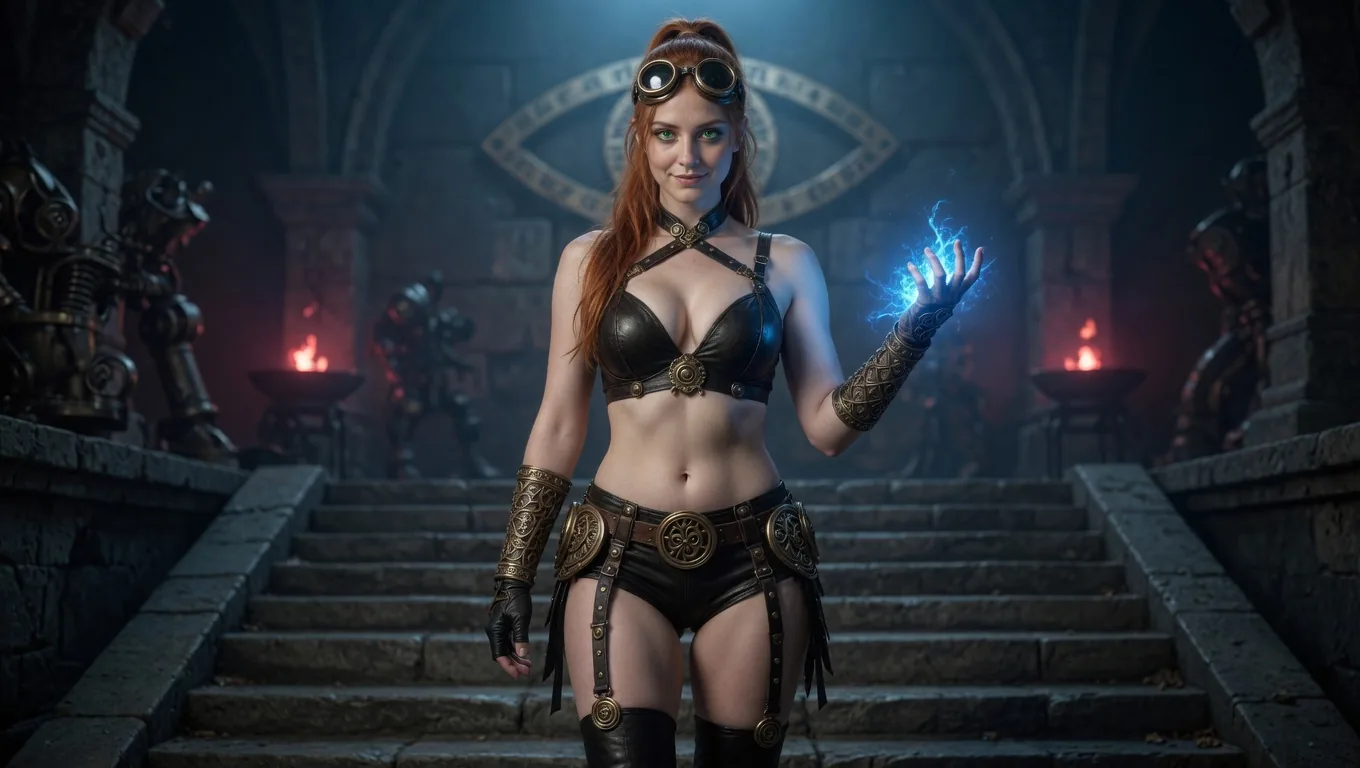
She despises worship, stagnation and dogma as chains upon the mortal spirit, and she means to break every one of them.
There is a thing the foundry-folk argue about when she is out of the room. Everything Vivira has ever made began as somebody. She catches people at the edge and carries them over; she preserves, she continues, she refuses to let a good mind be spent for nothing — and she has never yet lit a new one. A person who was nobody first, who owes no death anything, made outright of crystal and starsteel and intention: that she has not done, and the world holds no record of anyone who has.
She does not claim it. She does not call it impossible either — and those who know her best have noticed how carefully she never calls it impossible.
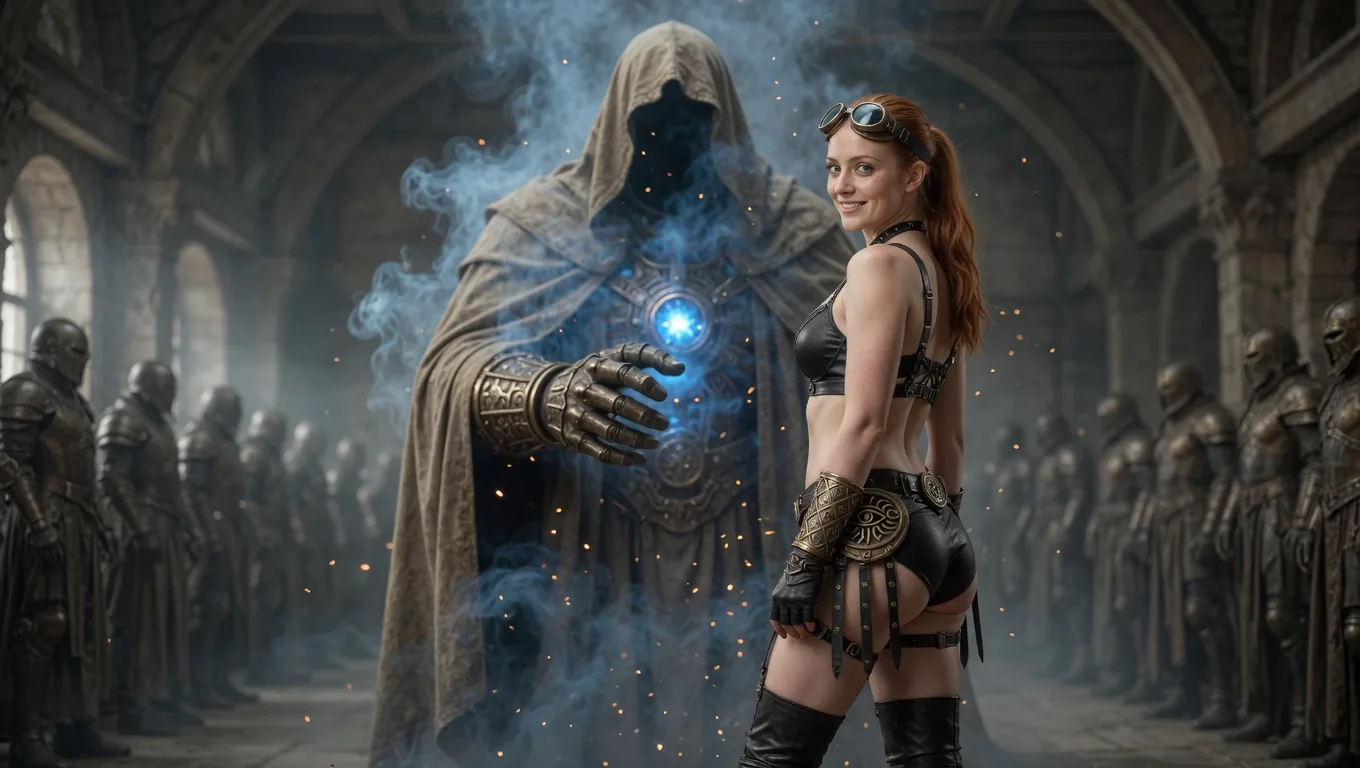
"If the gods built the world, then let the world see what mortals can build in return."
Trysania
The Veiled Architect
 4:51
4:51The Six Daughters ·
Six women. Six powers. Not one of them was handed the world she wanted — but each broke a chain that was meant to hold forever. Blue light and red ember, the frost and the smoke, the starlight and the steel: this is their anthem.
 4:49
4:49The Six Daughters ·
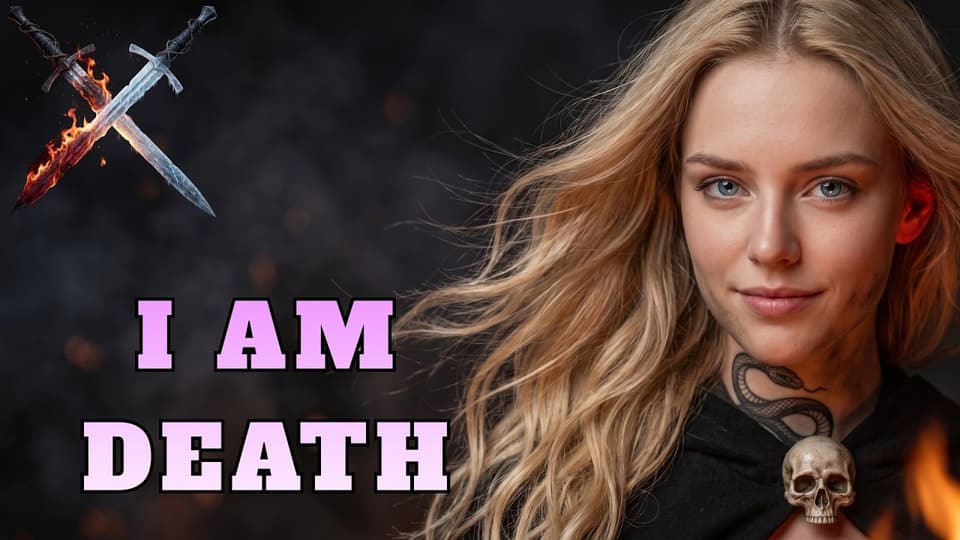
Rysalia in her own voice — High Commander of the Infernate, Chosen of the Ashen Serpent. Not a confession and not an apology: the account she would give, if anyone ever asked her what it cost.
 5:22
5:22War & Ash ·
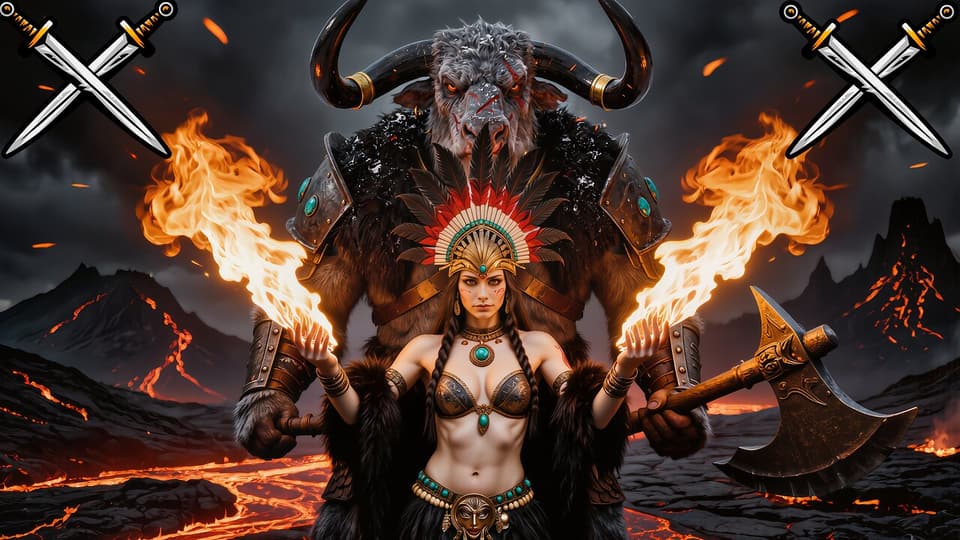
The war hymn of the Doosmund minotaurs — a people nearly erased, oath-bound in a stolen fortress, calling the mountain to wake for them.
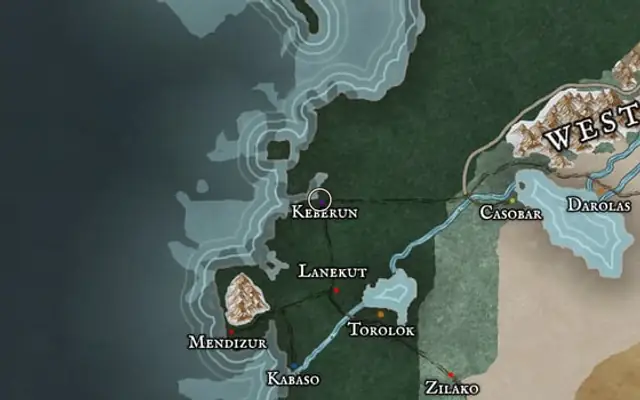 CityKeberunKeberun cuts ore from the mineral ground under the western boreal forest and ships it off its own ocean frontage; raised in the fifth wave of expansion, this Ashanar city answers…
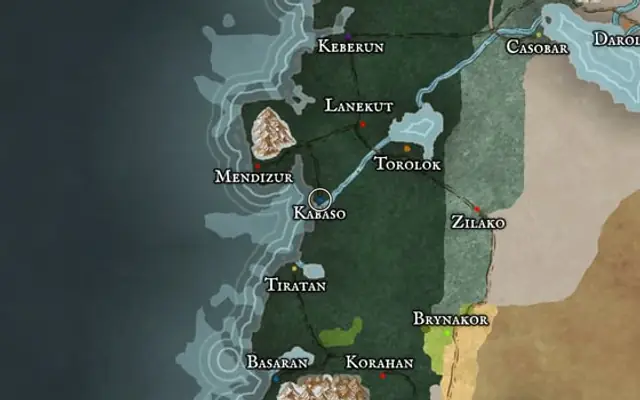 CityKabasoKabaso stands where a boreal river reaches the ocean: a substantial Ashanar naval city of the west, answering to itself and keeping the lesser ports of its own shore in hand.
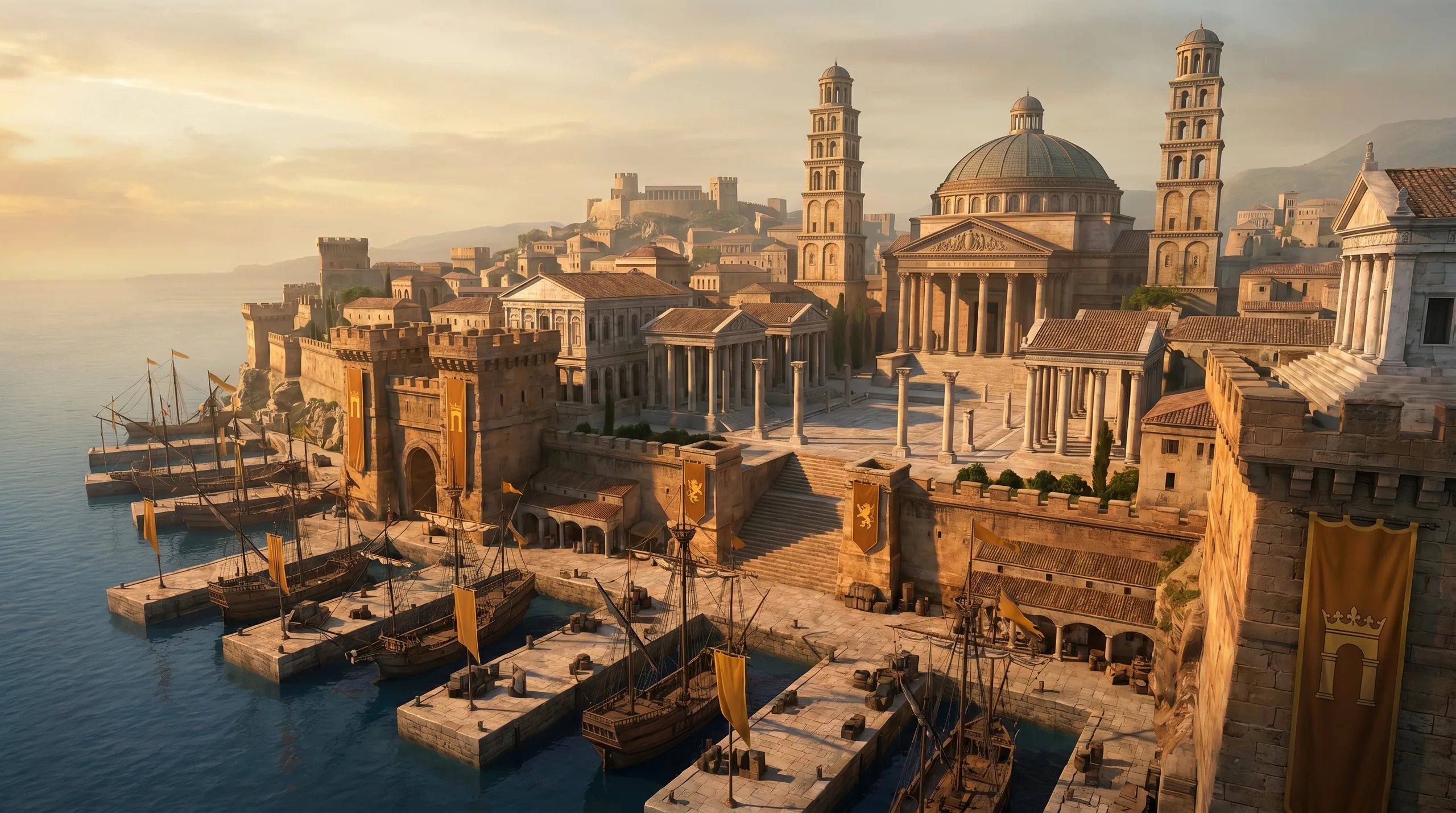 PeopleThe LohanarThe Lohanar are the humans of Kworgalya's southern coast — a cosmopolitan civilization of jurists, merchant-princes, and guilds who trust the charter and the court where their…