To understand any market on Kworgalya, start with what the ground refused to give. This world has no copper — none, anywhere — and so no bronze was ever poured here. The whole familiar ladder that other worlds are said to have climbed simply does not exist. Kworgalya built its civilizations on four metals and their cunning use: tin, iron, silver and gold, each with its own work to do and its own meaning in the hand.
Tin is the metal of daily life: easy to melt, easy to cast, slow to corrode. Cups, lamps, buckles, fittings, kitchenware — the ordinary shine of a household is tin's. But tin cannot carry a civilization alone, so the bulk of material life is wood, leather, horn, bone, stone, ceramic, wicker and layered cloth, with metal spent where only metal will serve. A traveller from a bronze-rich world would find Kworgalya's cities strangely warm-textured — and would learn quickly that the scarcity has made smiths clever rather than poor.
Iron is too precious here to waste on being merely iron. Wherever it is mined, it is preferentially worked up into truesteel — which is not, despite the bardic shimmer of the name, anything magical. Truesteel is simply steel made properly, and the name marks how rare proper steel is, not how enchanted. It is the metal of war and inheritance: blades are recut from grandfathers' blades, battlefield salvage is a serious trade, and a state that controls iron controls its neighbors' arsenals. Most armor on the continent is not metal at all but lamellar, scale, hardened leather and layered cloth — with steel or moonsteel guarding only the points where dying happens fastest.
Moonsteel is Kworgalya's own invention: a family of bright alloys built on silver and tin, owing nothing to copper or iron. It will never be the body of a greatsword — it hasn't the toughness — but it does not need to be. Moonsteel is the edge: knife blades, spear and arrow points, scale facings, screens, fittings, ritual blades that catch the light like frozen moonlight. That such alloys work at all is a gift of fire magic; smiths who can hold a temperature by will alone can work narrow alloy windows and join unlike metals with a precision no bellows could manage. On this continent, metallurgy has always been half sorcery.
Silver is the coin of the whole continent. Not by any treaty — simply because everyone takes it, everywhere, which is the only law money has ever needed. But silver never stops being a material just because it is money: it feeds moonsteel, temple-work, and craft, so coin is forever being pulled out of purses and melted into things, which keeps it scarce enough to stay precious. Cities sitting on silver — Cinergis and Caloryn made their names on it — were minting wealth straight out of the ground.
The two silver cities also gave the language its best-known idioms. Blackened silver is coin used in treachery — pay for a betrayal anywhere on the continent and that is what you have paid in — though in Cinergis, which mines the grave of murdered Argentum, it can also mean a tenacity too stubborn to be sane. Whitened silver is Caloryn's answer: scrupulously clean dealing — or, said with the right pause, dealing that has been very carefully made to look clean.
Gold is the strange one. It is valuable everywhere and spent almost nowhere, because gold has a second nature: it is the metal of thaumaturgy, and the sorcerous orders, temples and crowns take it before the mints ever see it. A kingdom's gold is less its treasury than its arsenal — stockpiled against workings, wardings and rites — which is why the severing of a gold road is read in chancelleries not as a trade dispute but as a threat of a wholly different color. When merchants say that silver buys goods and gold buys outcomes, they are not being poetic. They are being precise.
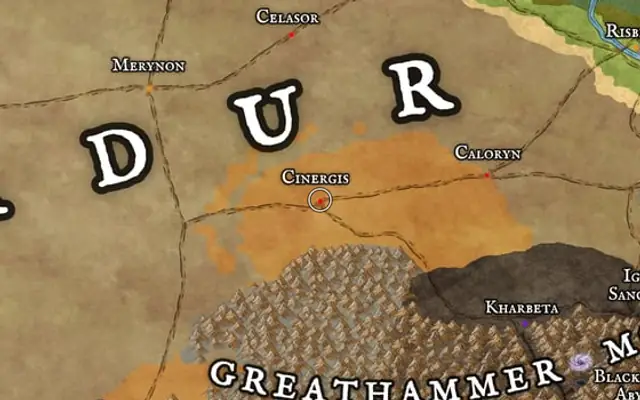 CityCinergisSilver pits worked by the unfree over the grave of murdered Argentum — a state mining city where exhausted workings become cisterns and captured giants change hands.
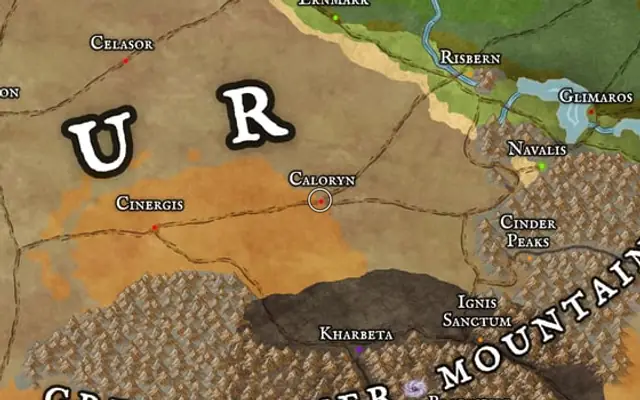 CityCalorynWhere the dromedary was first tamed and pedigree is power — a pastoral city over old silver pits that stages the Infernate's raids and auctions what they bring back.
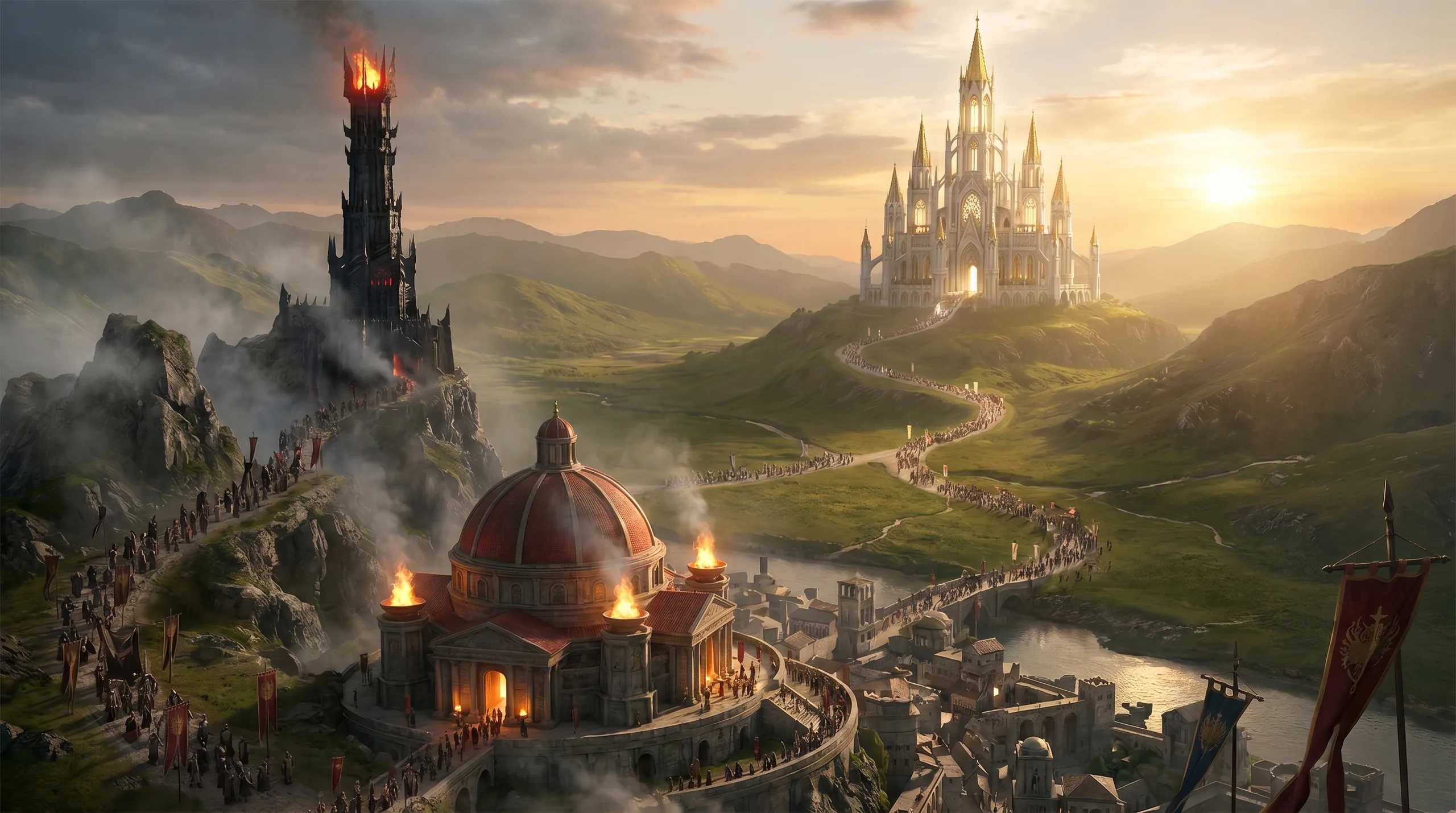 LoreThe Age of FaithsA world that has buried its gods does not stop praying. In the long recovery after the Years of Ash, the survivors raised new faiths over the silence the Elders had left — and…
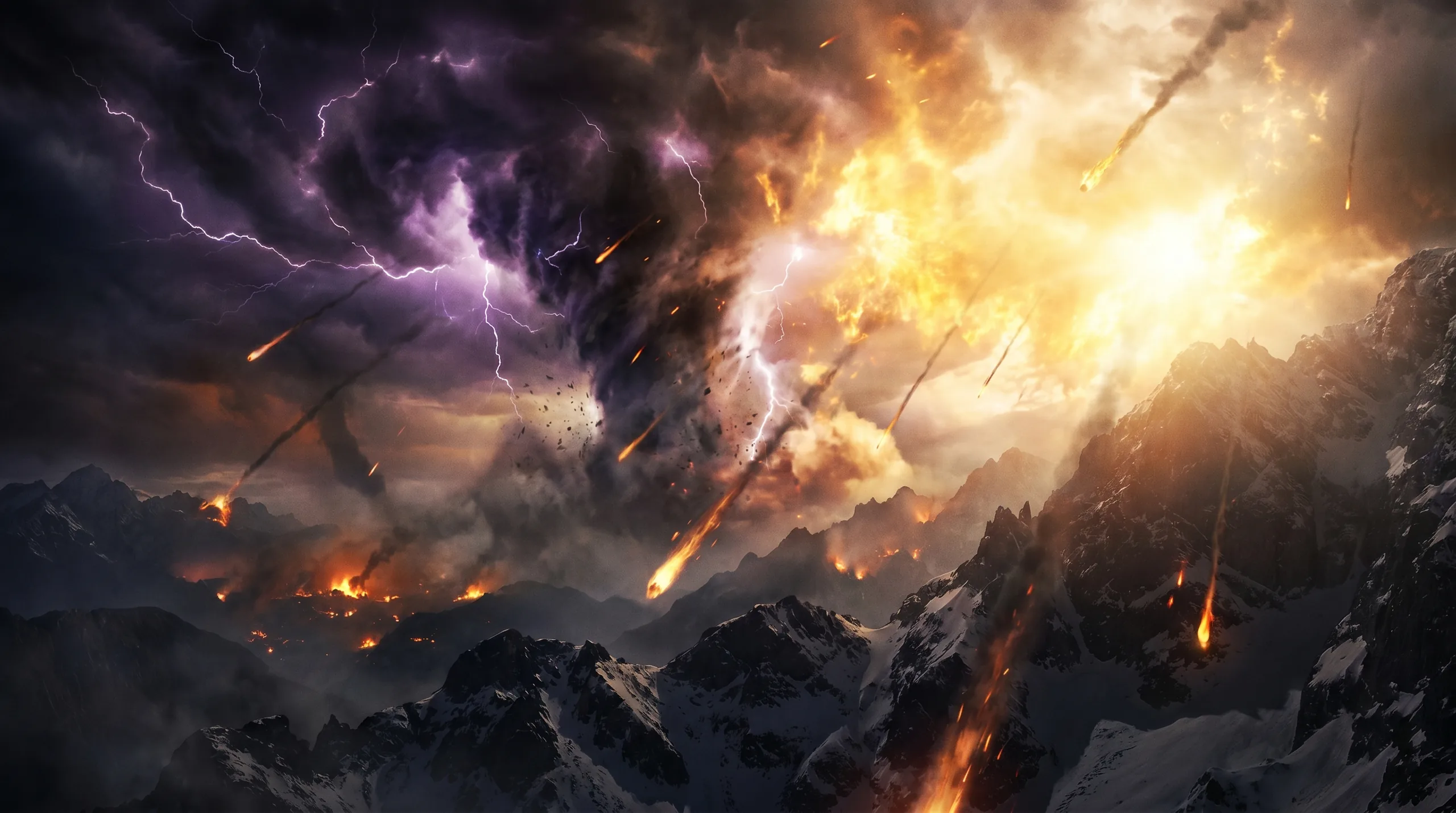 LoreThe ConflagrationFor eighteen centuries the Elder gods guided their children. Then they destroyed each other, and the world with them. The war that ended the divine age is remembered, with dread,…
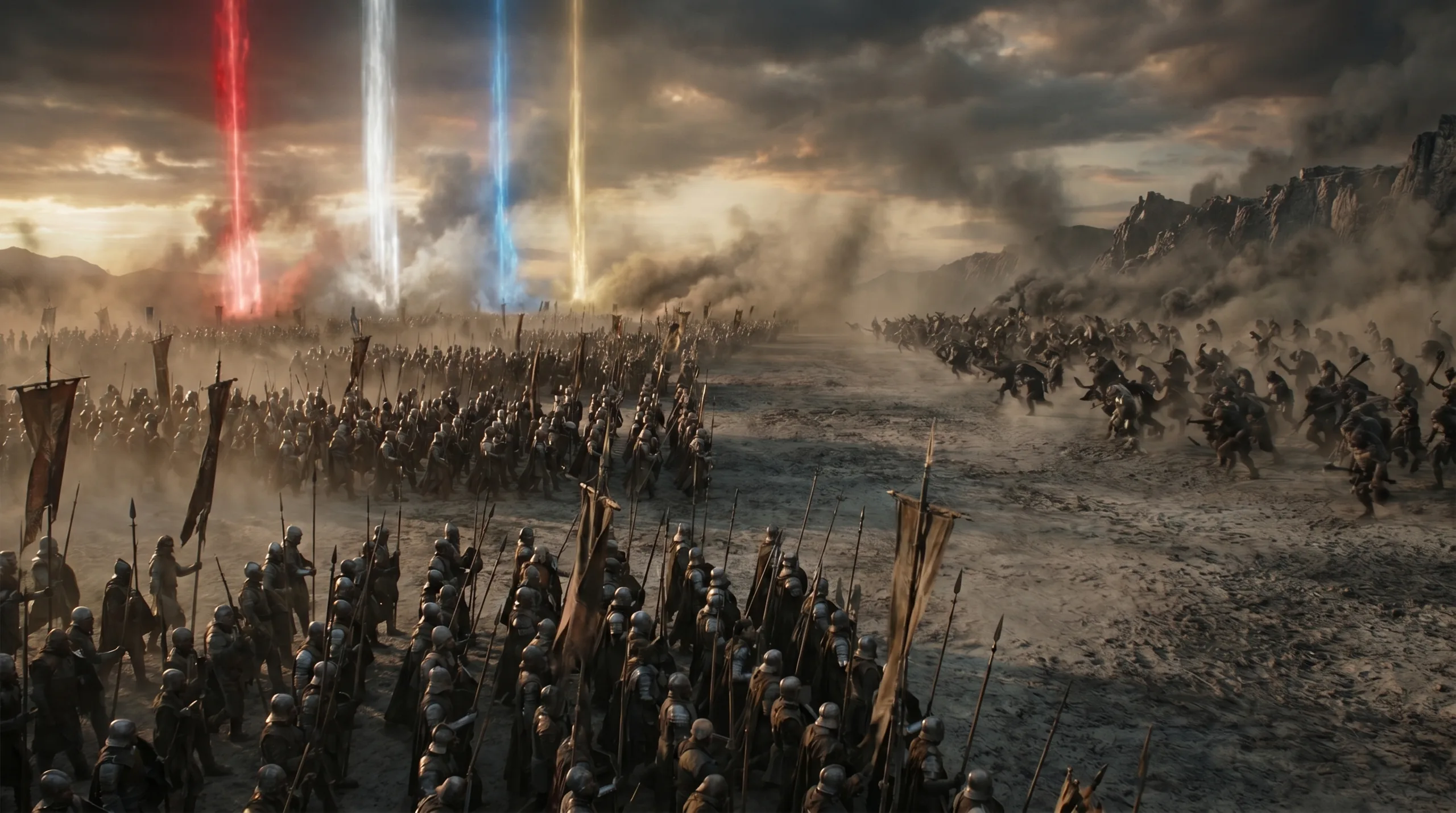 LoreThe Crusades Against the BeastsThe peoples of the Fivefold Fleets did not arrive to an empty land. Kworgalya already had masters — older, stranger, and monstrous — and the long struggle to wrest the continent…
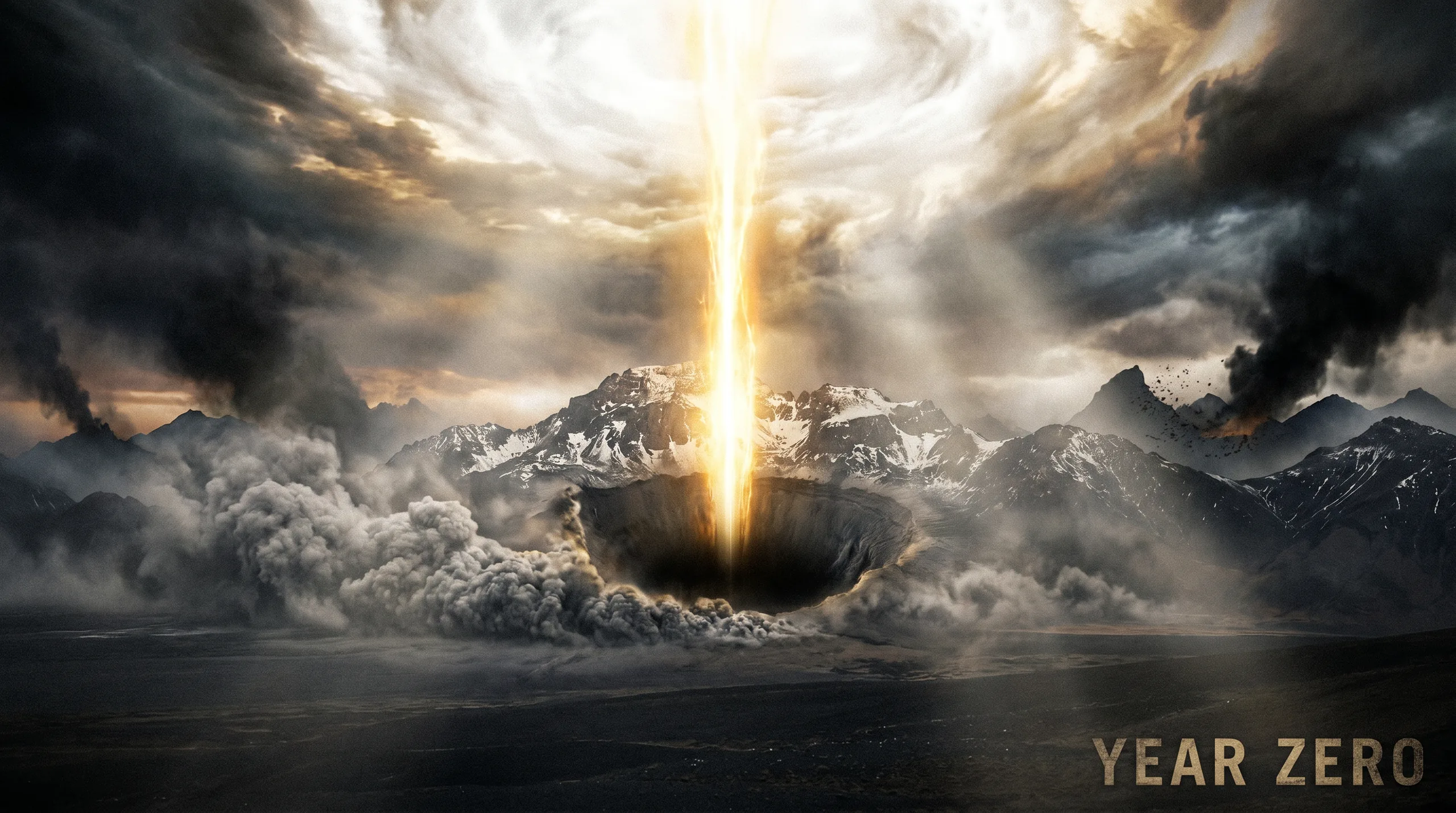 LoreThe Deity's SacrificeThe world counts its years from a single instant. Everything before it is reckoned in the long shadow of the gods; everything after is the struggle of their orphaned children.…
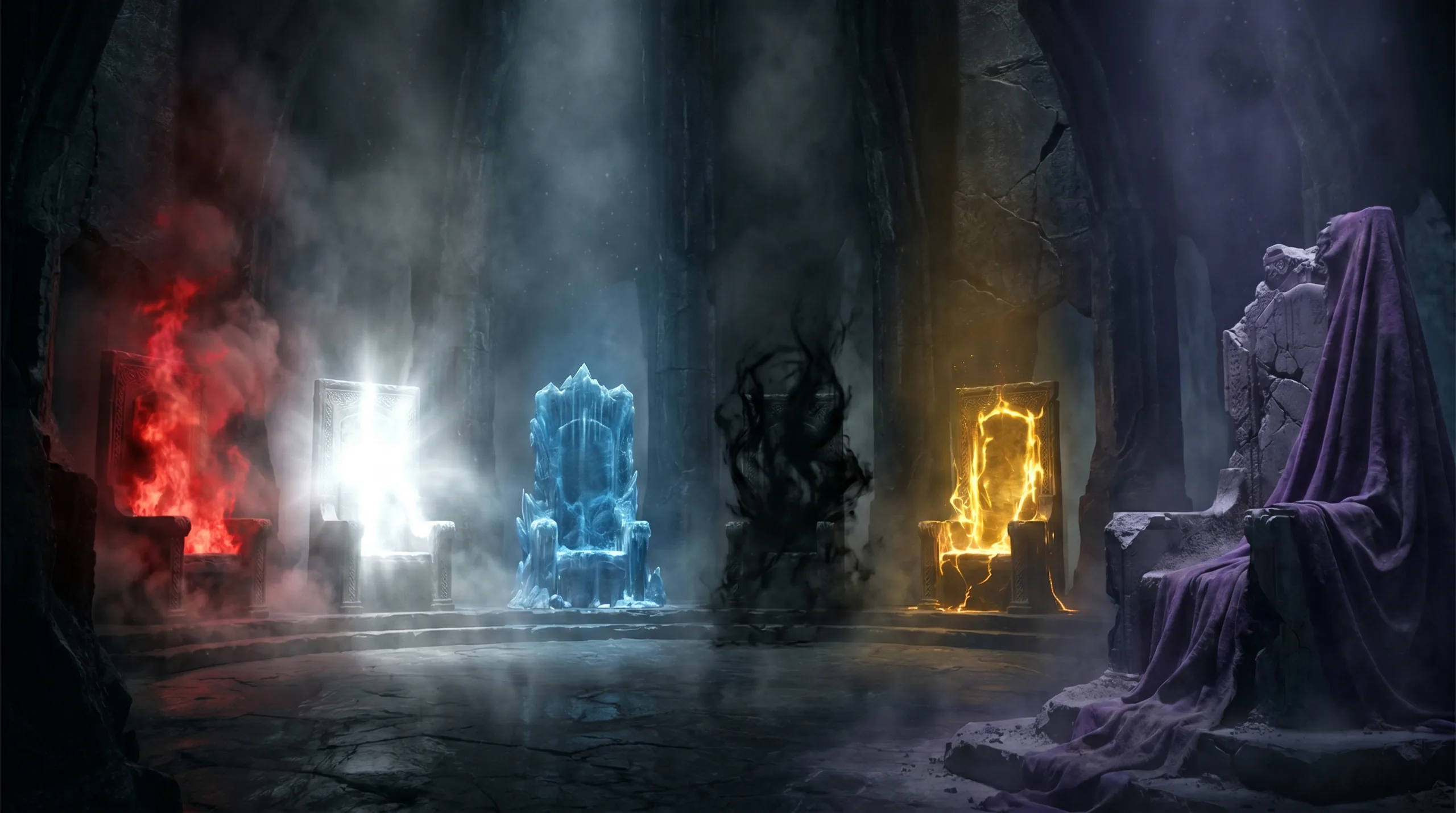 LoreThe Five Elder GodsBefore they were gods, they were exiles. The powers the world calls the Elder Elehath — the Elders — were once members of a deathless race of star-born beings who came to…
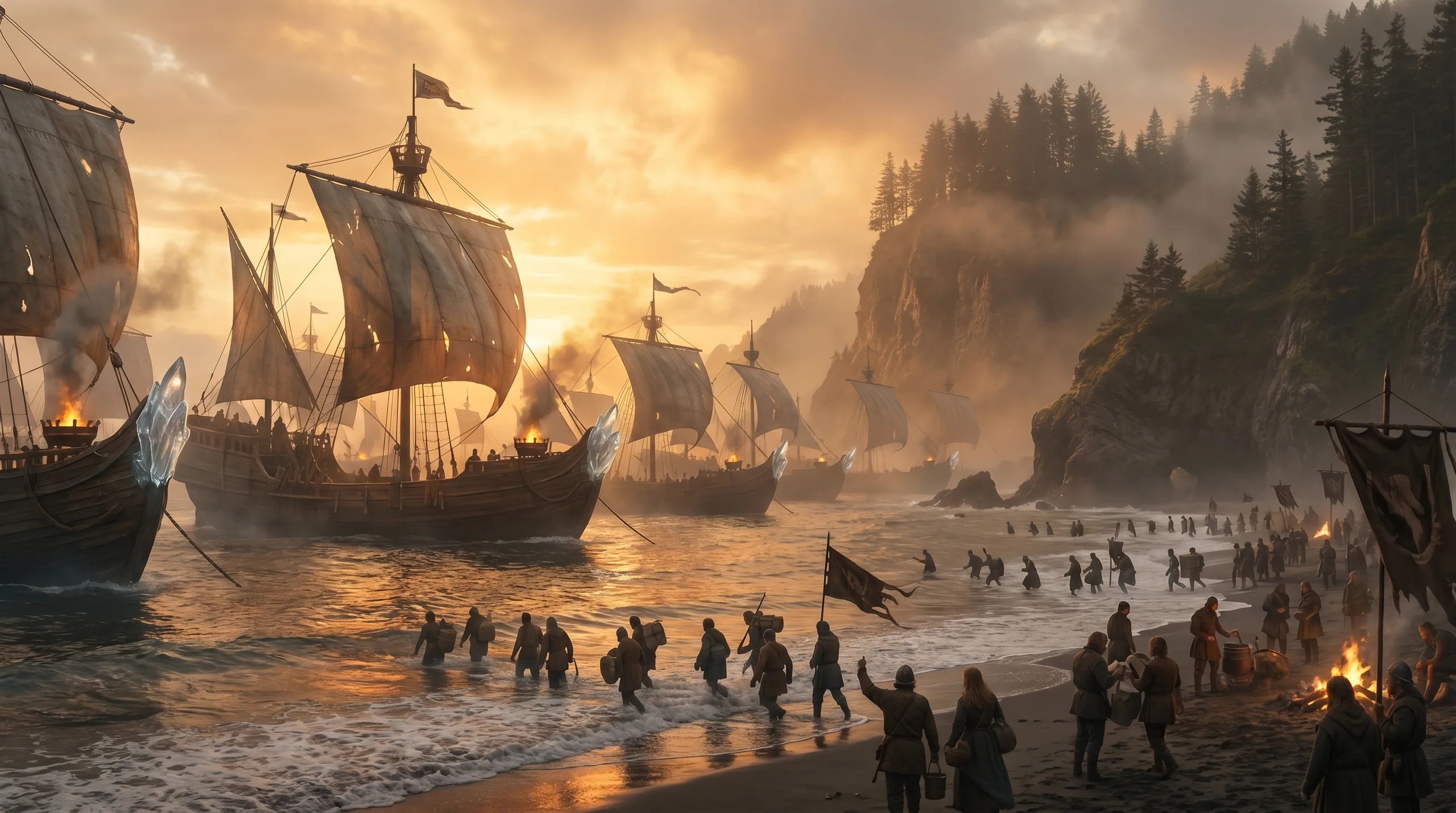 LoreThe Fivefold FleetsFive and a half centuries after the founding of Vadesh, the children of the Ur-City set out to inherit the world. The great dispersal is remembered as the Fivefold Fleets, and…