Every people of Kworgalya counts its days the same way, which is a stranger fact than it first appears. Faiths that would burn one another's temples, blocs that poison one another's wells, cities that have not exchanged a civil word in a century — all of them agree, to the hour, on what day it is. The calendar is the one treaty nobody has ever broken.
The reckoning was built deliberately, in the age of the Great Renewal, when the survivors of the broken world were stitching civilization back together and wanted one measure that no city could claim as its own. Its anchor is older and darker: the years count from the Deity's Sacrifice — the catastrophe that tore the Blackspire Abyss into the world and ended the age of the gods. That moment is Year Zero. Everything since is DS, and every ruin, treaty, birth and battle on the continent hangs on that one shared number line.
The year runs exactly 360 days, and the sky itself keeps the books. The solstices and equinoxes divide it into four equal quarters of ninety days apiece, and the new year begins at the winter solstice — the darkest hinge of the year, which the Renewal's architects apparently found fitting.
Each quarter holds three months of thirty days; each month holds five weeks of six days. There are no leftover days, no correction days, no arguments. Scribes love it. The chancelleries of the great powers date their documents by quarter and year — a muster ordered in "the fourth quarter of 1313" tells any clerk on the continent exactly which ninety days are meant — while common folk live by the six-day week: market days, water days, rest days falling in the same steady rhythm from the Glacial Dominion to the southern seas.
The shared reckoning is not a courtesy; it is infrastructure. Caravans are contracted to the week across distances no rider could verify. Transhumance herds move on quarter-days. Debts, garrison rotations, apprenticeships and sieges are all written against the same sixty weeks, and a promise dated in one bloc can be enforced in another because no one can pretend to have counted differently. Wars are even fought on the calendar's grid — histories speak of invasions "beginning in the fourth quarter" the way they speak of them beginning at a border.
It is sometimes observed, quietly, that the peoples of Kworgalya share nothing else so completely: not gods, not tongues, not law — only the count of days, and the dark year it counts from. The world could not agree on what to worship. It agreed on when.
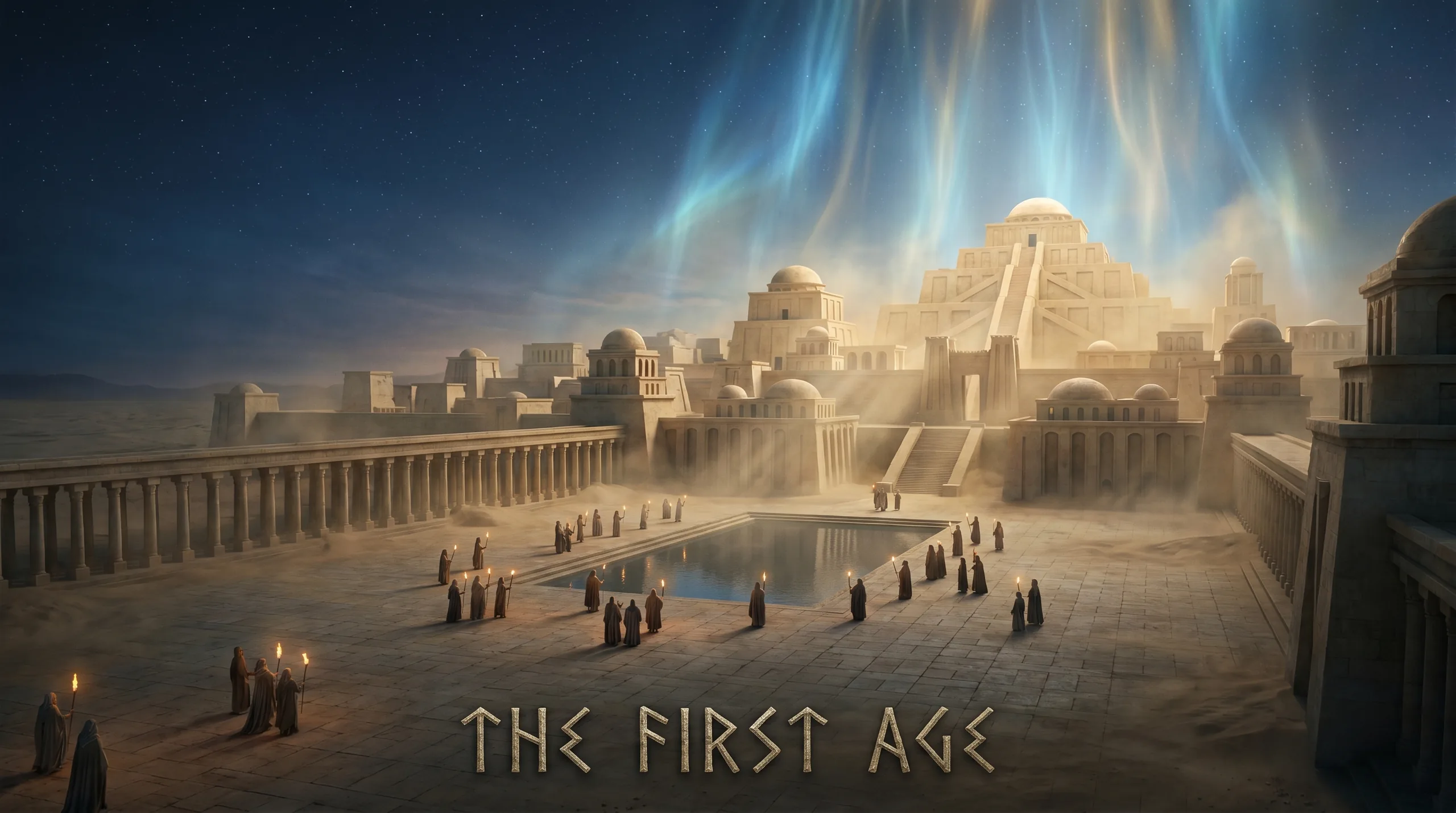 LoreThe Great RenewalEvery history of Kworgale begins at the same place: the Great Renewal, the act of creation, surrender, and forgetting from which the mortal world was born. It is dated, by…
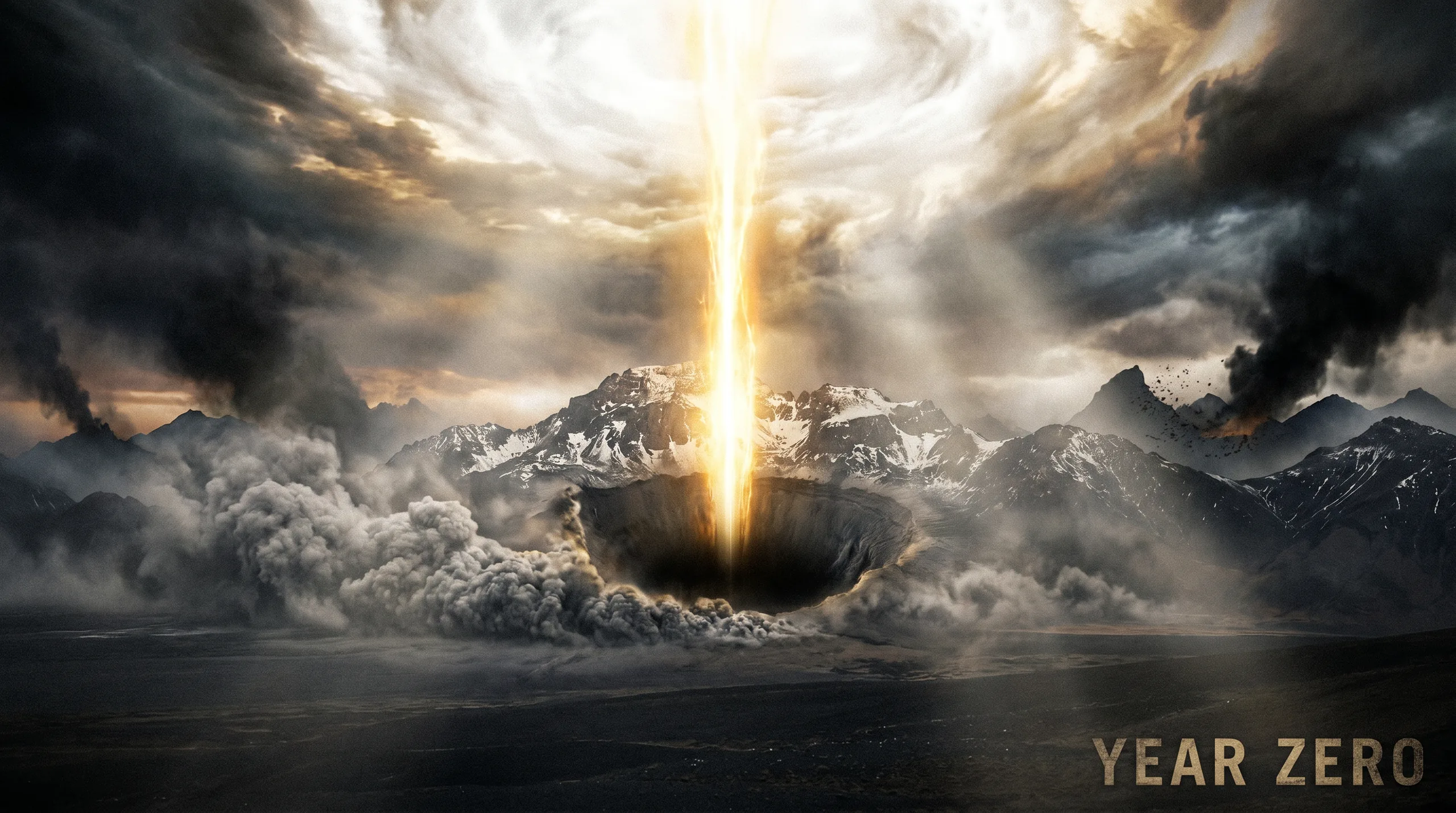 LoreThe Deity's SacrificeThe world counts its years from a single instant. Everything before it is reckoned in the long shadow of the gods; everything after is the struggle of their orphaned children.…
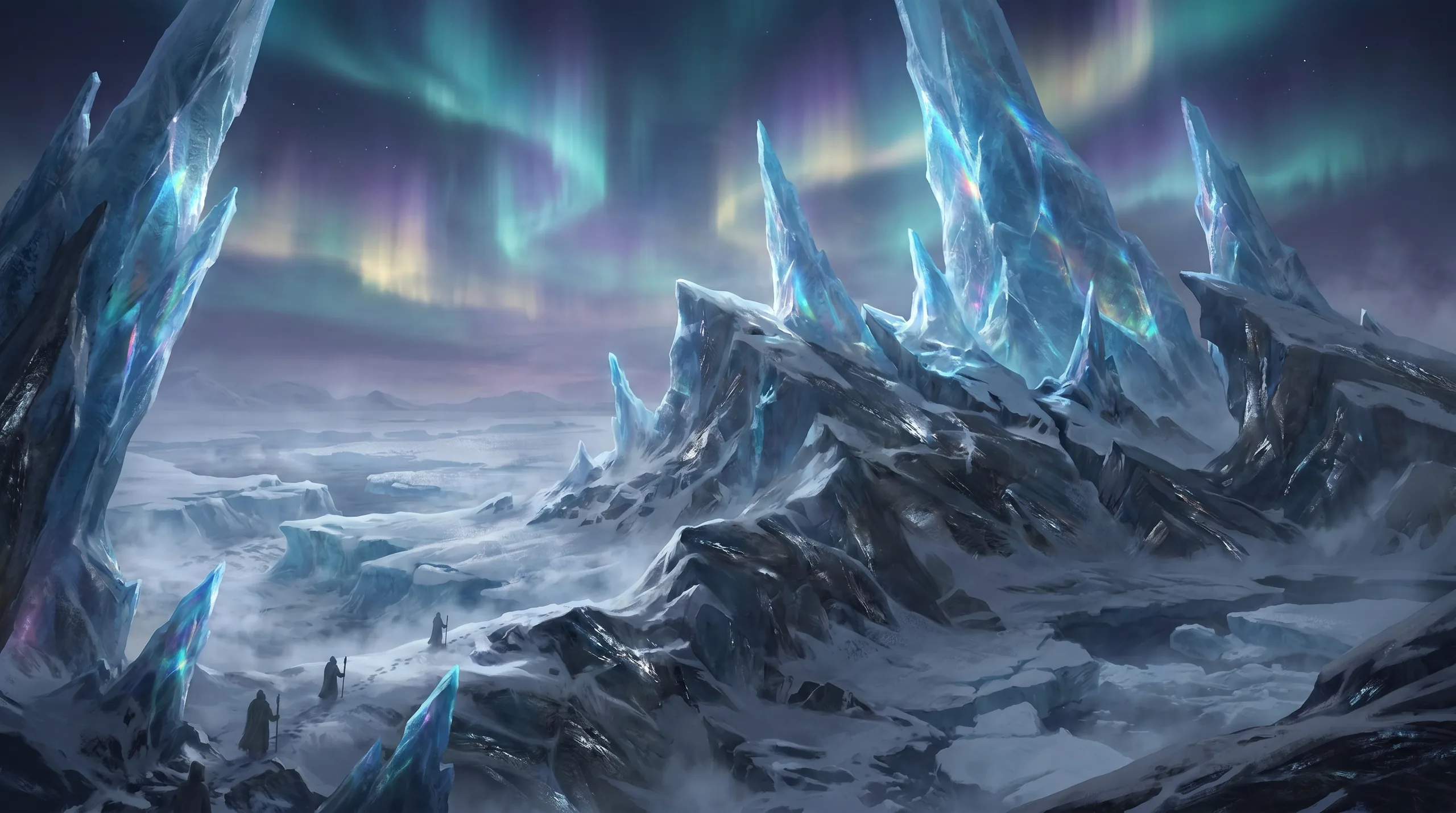 RegionThe Glacial DominionA vast frozen realm spanning much of north and northeastern Kworgale, ruled by the immortal Frost Queen Glacya from the Iridescent Throne within the Crystalline Palace of…
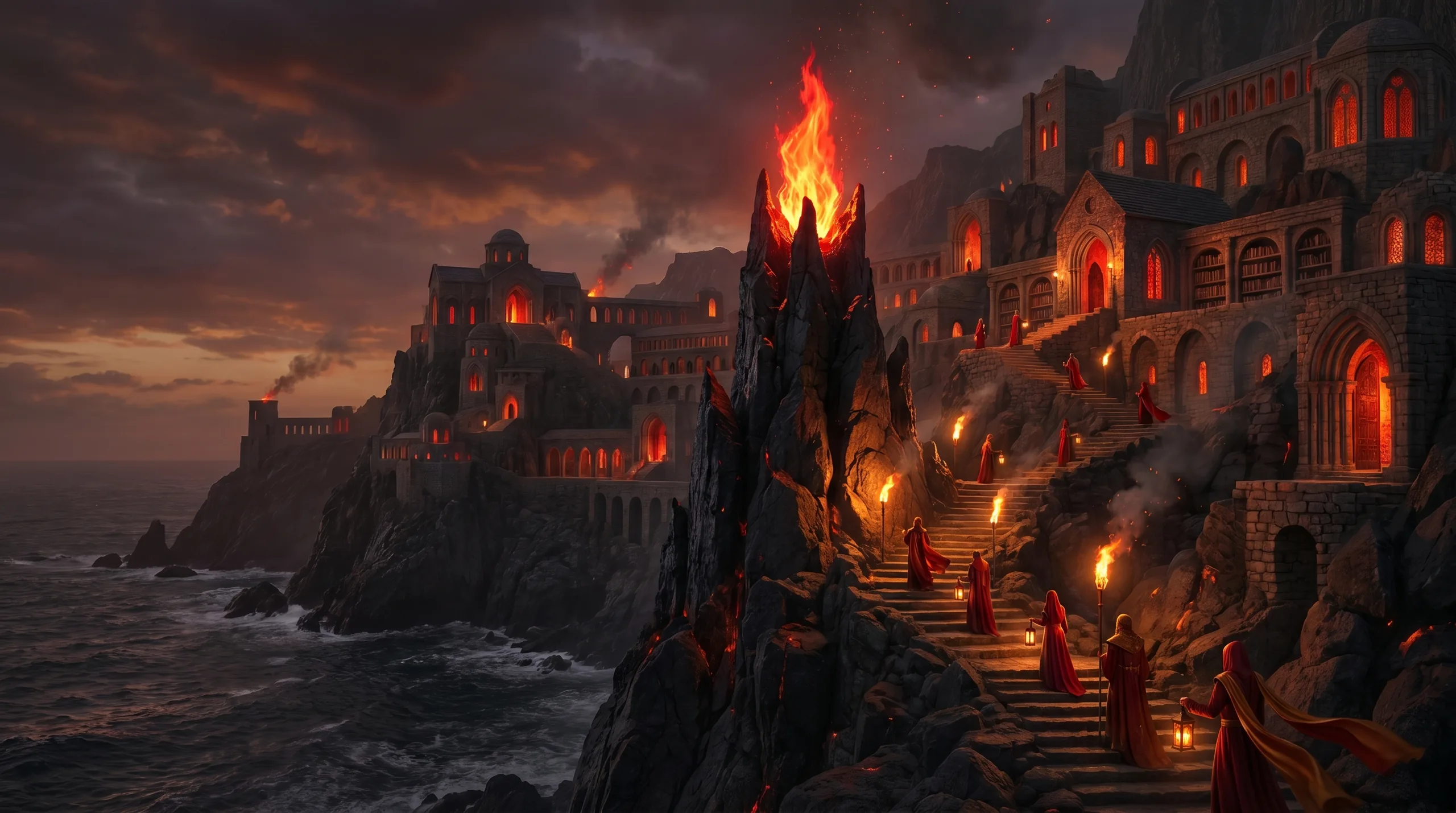 LoreThe Religion of the RubyThe Ruby is the most beloved and most feared of the gods of the human south — and of all the divine powers of Kworgale, she alone is worshipped not as a distant maker but as a…
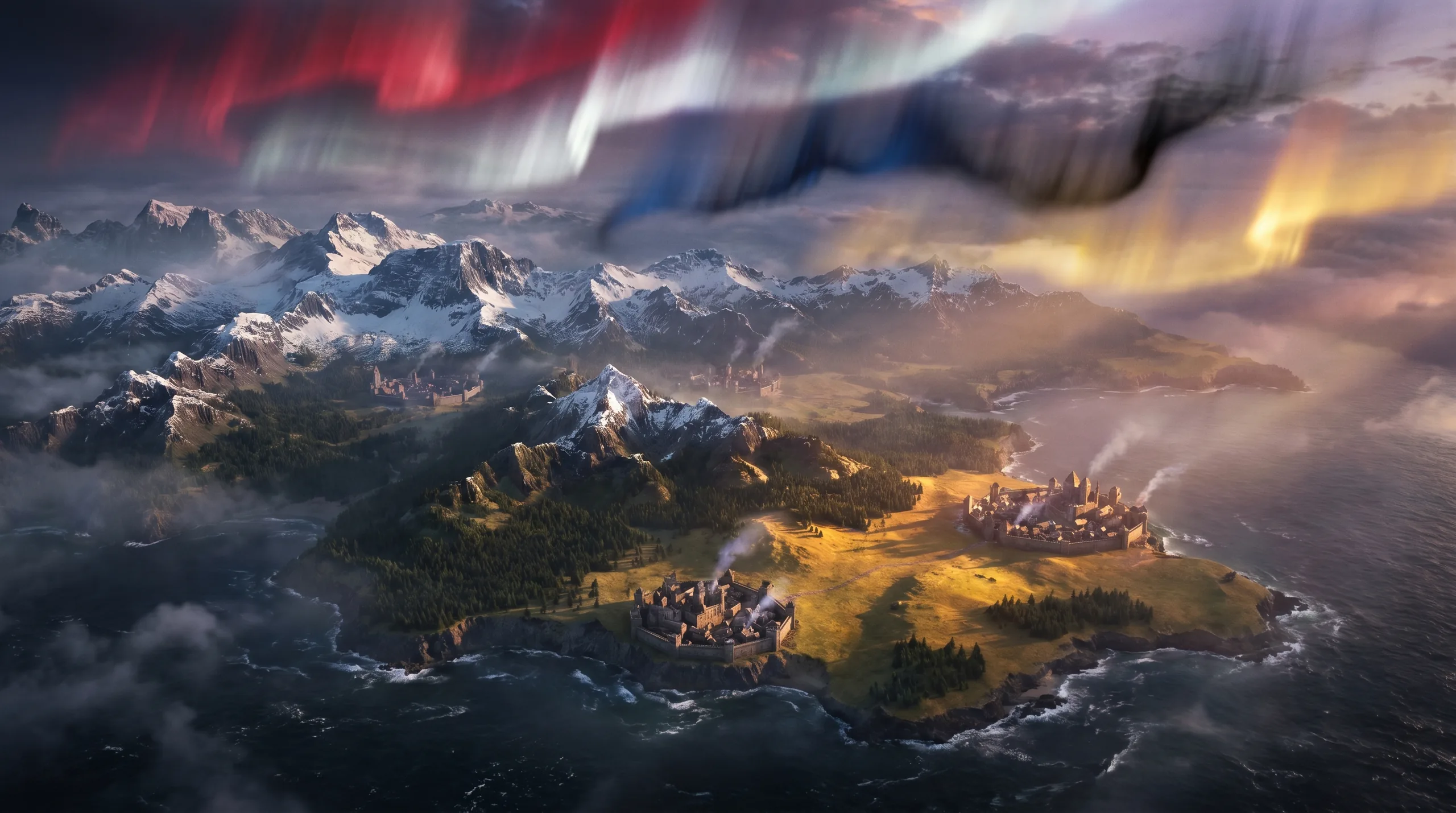 LoreThe World of KworgaleKworgale is a world that remembers its gods too well. They were not distant makers glimpsed only in scripture — they walked its first cities, fought in its wars, and broke its…
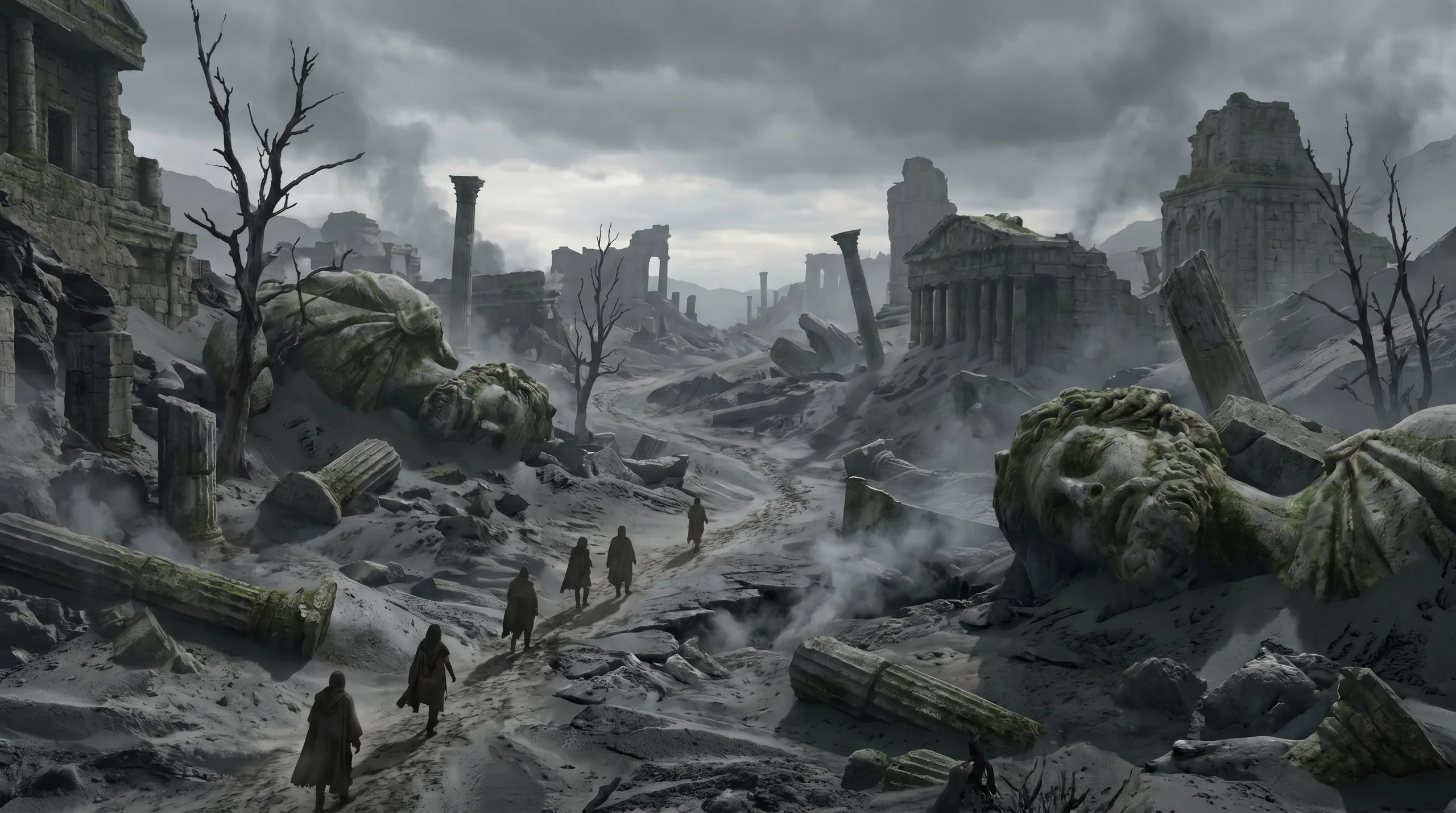 LoreThe Years of AshThe cataclysm did not end the dying — it began it. The first two centuries after the Deity's Sacrifice are remembered as the Years of Ash: the long, grey, godless collapse in…
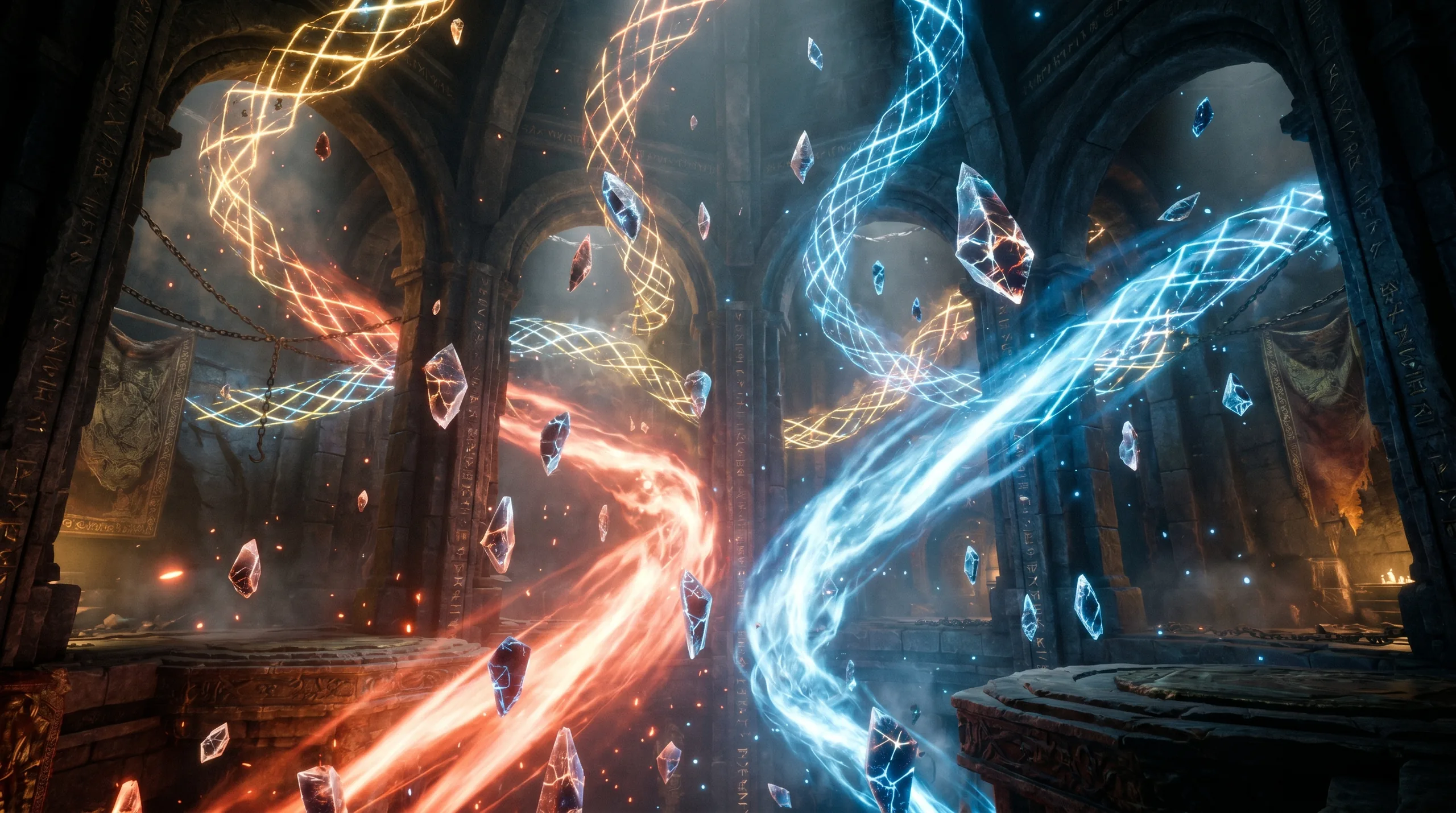 LoreThymara & the Thaumaturgic ArtsThe peoples of Kworgale do not call their magic magic. They call it thaumaturgy, and they treat it less as a wild gift than as a craft, a science, and an inheritance — for the…
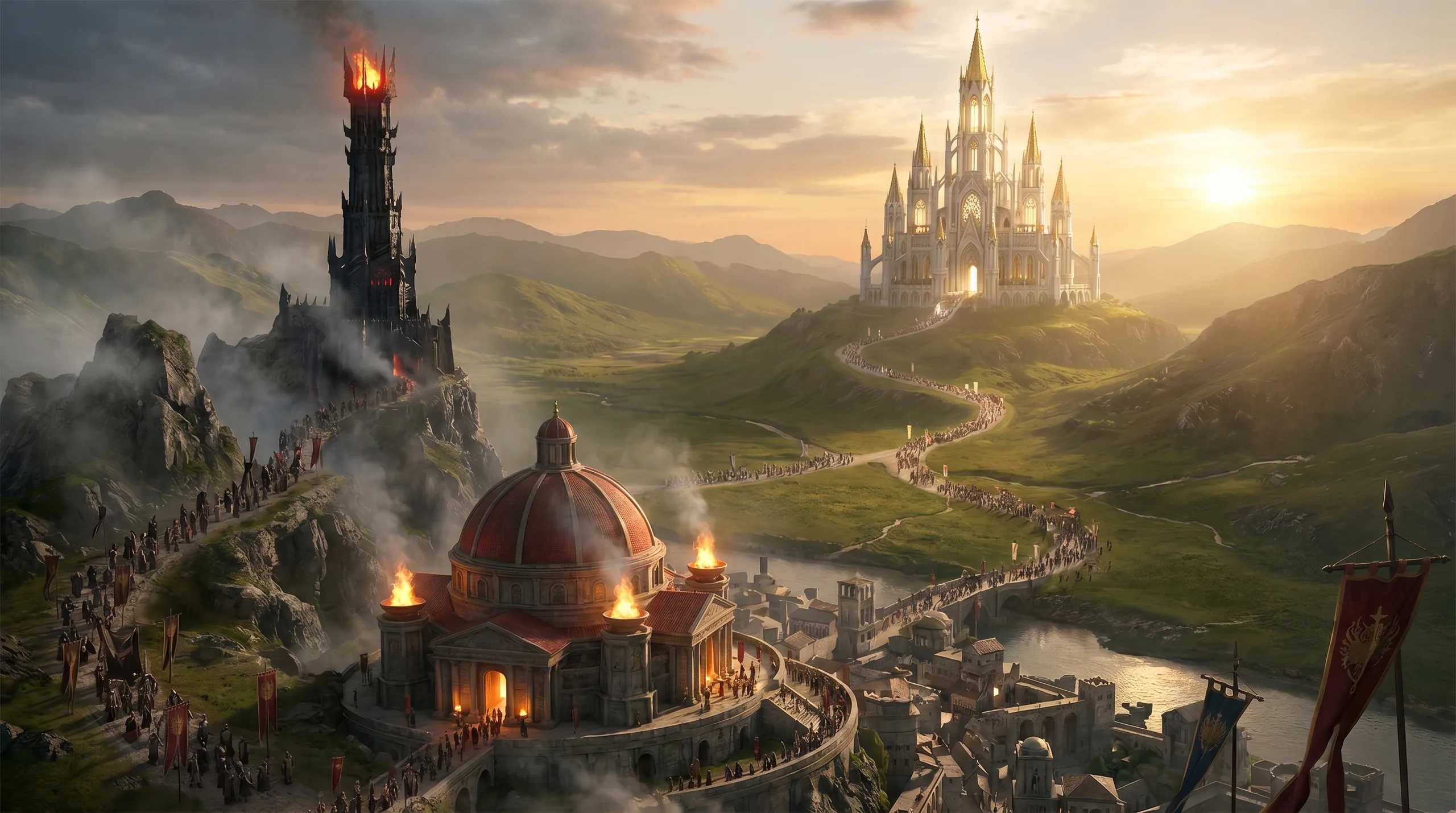 LoreThe Age of FaithsA world that has buried its gods does not stop praying. In the long recovery after the Years of Ash, the survivors raised new faiths over the silence the Elders had left — and…